

What Commercial Property Owners Must Know About Being Underinsured
Many commercial property owners assume that having an insurance policy means they’re protected.
But if your coverage limits are outdated, your replacement values are underestimated, or your endorsements are missing key items, you could be dangerously underinsured — and not even know it until disaster strikes.
Underinsurance isn’t just a technicality. It can cost you millions in out-of-pocket repairs, business interruption losses, and legal headaches.
Here’s how Anderson Bettencourt helps policyholders spot these pitfalls before it’s too late — and what you can do now to protect your business.
1. What Is Underinsurance — and Why Is It So Common?
Underinsurance occurs when the declared value of your insured property is less than what it would actually cost to repair or replace it after a major loss.
It’s more common than you think, especially in:
- Older commercial buildings that haven’t been reassessed in years
- High-inflation environments where rebuild costs have skyrocketed
- Policies that were based on market value, not replacement cost
Insurers may still issue policies in these cases, but when a claim arises, the payout is capped at the undervalued amount.
If your commercial building, inventory, or equipment has changed in value, it’s time to get an independent assessment. Visit our commercial claims page for more.
2. The Costly Consequences of Being Underinsured
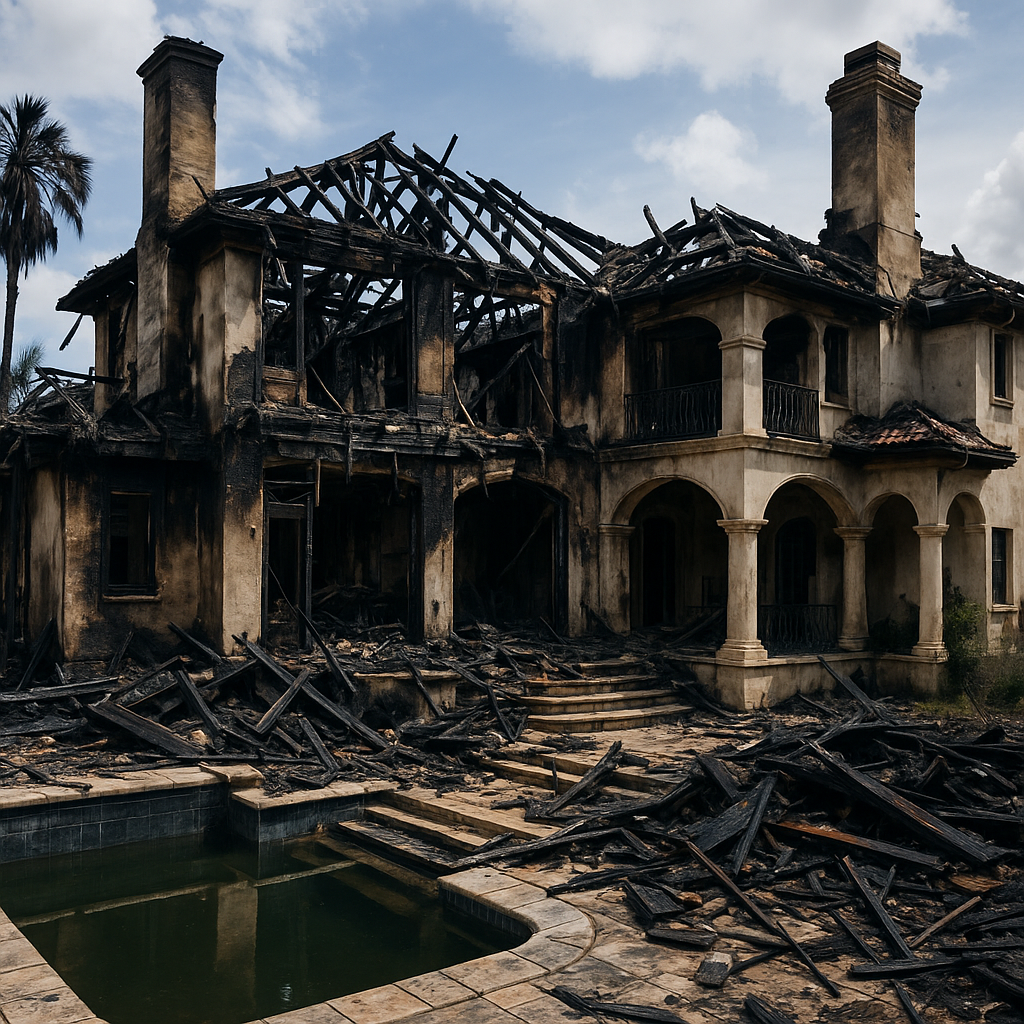
Being underinsured doesn’t just mean getting a smaller cheque — it can derail your entire recovery plan.
Consequences include:
- Co-insurance penalties that reduce payouts proportionally
- Coverage gaps for upgraded building code requirements
- Delays in operations due to partial or denied payments
- Loss of revenue from extended business interruption
In some cases, insurers may argue that you failed in your duty to maintain adequate coverage, which can complicate the claims process.
To better understand how policy language impacts your payout, see our article on how public adjusters navigate complex insurance policies.
3. How Do You Know If You’re Underinsured?
Most business owners only find out they’re underinsured when it’s too late — after they’ve filed a claim.
Here are a few warning signs:
- Your policy hasn’t been updated in 3+ years
- No recent appraisal has been conducted on your property or equipment
- Coverage limits don’t reflect rising costs of materials, labor, or logistics
- Your broker or insurer has never explained co-insurance clauses
At Anderson Bettencourt, we offer proactive risk reviews that highlight these blind spots before a loss occurs.
Check out our claims process overview to see how we support policyholders every step of the way.
4. How Anderson Bettencourt Prevents Underinsurance Pitfalls
Unlike traditional public adjusters who only show up after a claim, we help policyholders understand and strengthen their coverage in advance.
Our team:
- Conducts full policy reviews to identify coverage gaps
- Evaluates property and equipment values using current cost data
- Works with legal and construction experts to ensure compliance with bylaws
- Provides legal-backed support during claims where underinsurance is disputed
We don’t just adjust claims — we anticipate problems insurers may later exploit.
If you’re unsure whether your commercial insurance is truly adequate, schedule a consultation through our contact page.

5. Why Brokers Might Miss These Gaps
Most brokers have good intentions — but they work for the insurer, not for you.
They may:
- Rely on outdated valuation tools
- Prioritize quick policy renewals over thorough reviews
- Avoid complex coverage discussions to keep premiums low
The result? Policies that seem sufficient but leave you exposed.
Anderson Bettencourt works independently — with no incentive to undersell your coverage or downplay the risks. We advocate for the policyholder alone.
Read more about why policyholders should think twice before saying yes to preferred vendors.
Why This Matters to You, the Policyholder
Underinsurance is one of the most common — and most dangerous — mistakes policyholders make.
It doesn’t matter how well your building is managed or how reputable your insurer is. If the numbers on your policy don’t reflect reality, your financial recovery is at risk.
At Anderson Bettencourt, we bring legal insight, construction knowledge, and decades of adjusting experience to every case.
We don’t wait for insurers to say no — we prepare your policy and your claim so they have no choice but to say yes.