


How Climate Risks Are Reshaping Luxury Home Insurance
Luxury homes, often located in scenic but risk-prone areas, are becoming harder to insure as climate change accelerates the frequency and severity of natural disasters.
From wildfires in British Columbia to flooding along the Ontario waterfront, insurers are re-evaluating the risk exposure of high-value properties.
If you own a luxury home, understanding how climate change is reshaping the insurance landscape is essential to protect your assets before a loss occurs.
At Anderson Bettencourt, we specialize in complex, high-value claims and work with policyholders to ensure coverage keeps pace with evolving environmental risks.
1. Rising Premiums and Reduced Coverage in High-Risk Areas
Climate events like wildfires, floods, and windstorms are no longer rare.
Insurers are either significantly increasing premiums or pulling out of certain markets altogether.
Luxury homeowners in areas previously considered safe are now facing skyrocketing costs—or outright coverage denials.
Our claim process page outlines how we help you understand policy limitations before it’s too late.

2. More Exclusions for Weather-Related Damage
Insurers are tightening language around what constitutes a covered peril.
Flooding from storm surge, damage from hail, or erosion-related structural loss may now fall under newly added exclusions.
This leaves many luxury homeowners assuming they’re protected—until they file a claim and find out otherwise.
You can also visit our FAQs for common coverage misconceptions.
3. Underinsurance Due to Outdated Property Valuations
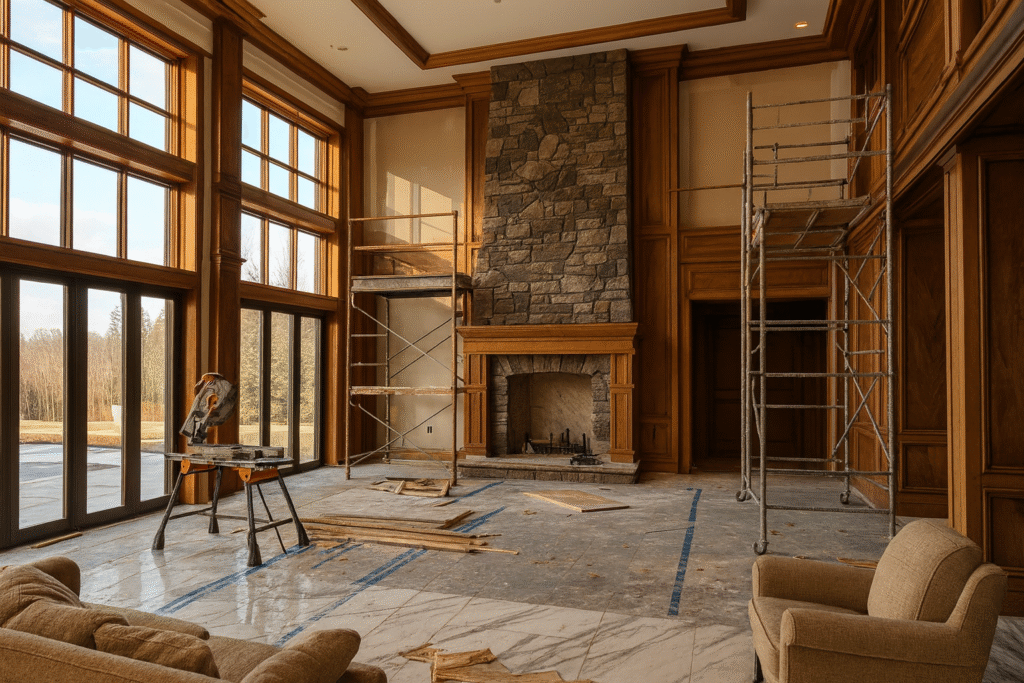
High-end properties built with imported finishes, custom architecture, and rare materials are especially at risk of being underinsured.
As rebuilding costs rise due to supply chain disruption and labor shortages, many policies fail to reflect the real replacement value.
Our article on why insurance companies undervalue luxury homes provides examples and solutions.
4. Stricter Underwriting for Luxury Homes
Insurance companies are demanding more inspections, detailed appraisals, and risk mitigation strategies before approving luxury policies.
Smart home systems, fire-resistant roofing, or reinforced flood barriers may be required just to qualify.
If your insurer recently changed your terms, we recommend reading legal strategies for appealing denied claims.
5. Increased Denials and Delays in Post-Disaster Claims
Even with a valid policy, luxury homeowners are reporting more claim denials and drawn-out settlement timelines—especially when large-scale climate events impact entire regions.
Adjusters may argue wear and tear, pre-existing damage, or vague policy language to reduce payouts.
See our article on how to appeal an unfair insurance settlement to prepare for that possibility.
Why This Matters to You, the Policyholder
The climate crisis is making it harder to insure, protect, and rebuild luxury homes.
If your policy hasn’t been reviewed in the last 12–18 months, you may be unknowingly exposed to exclusions, gaps, or valuation errors that could cost you everything in a disaster.
At Anderson Bettencourt, we work with high-net-worth policyholders to prevent underinsurance, strengthen claims, and secure full settlements.
Whether you’re re-evaluating your current policy or recovering from a loss, book an appointment to ensure your luxury home gets the protection it deserves.