


Why Rebuilding to Code After a Disaster Protects Your Home and Your Rights
When disaster strikes, rebuilding isn’t just about restoring what was lost — it’s about ensuring your home is safer, stronger, and compliant with current building codes.
Unfortunately, many policyholders assume that insurance automatically covers these code upgrades.
That assumption can cost you.
Understanding your rights and responsibilities when it comes to building code compliance can mean the difference between a safe rebuild and a financial setback.
Here’s what you need to know to ensure your home is rebuilt to code after a disaster.
What Does “Rebuild to Code” Actually Mean?
Building codes evolve over time to reflect new safety standards, energy efficiency requirements, and structural improvements.
Rebuilding to code means that any repairs or reconstruction must meet the current local and provincial building regulations — not the standards in place when your home was originally built.
This can include:
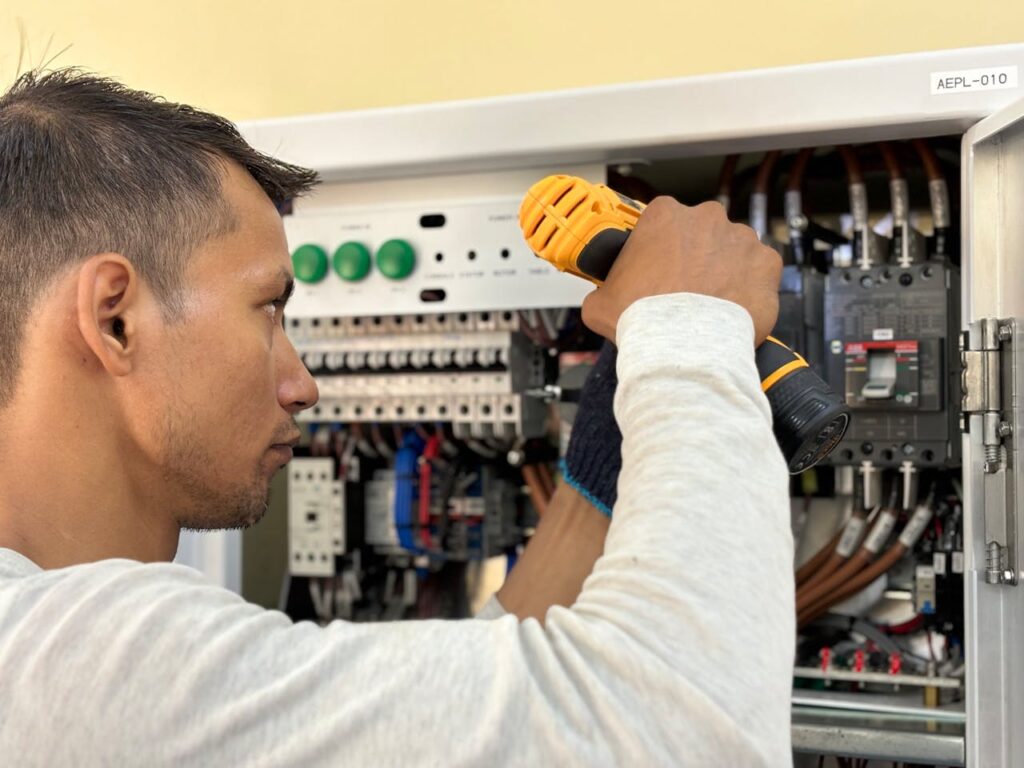
- Upgraded electrical, plumbing, or HVAC systems
- Reinforced roofing or foundation
- Accessibility improvements
- Fire-resistant materials or sprinkler systems
If your insurance policy doesn’t include ordinance or law coverage, you may be left paying out of pocket for these mandatory upgrades.
To understand how this affects residential coverage, review our homeowner claims services.
Why Code Compliance Matters More After a Loss
After a major loss event like a fire, flood, or windstorm, local authorities often require that reconstruction plans meet updated code requirements before approving permits.
Failing to meet these requirements can:
- Delay rebuilding timelines
- Lead to permit denials
- Create safety hazards for future occupants
More critically, if your insurer refuses to acknowledge the cost of code upgrades, you could face a significant financial gap between your settlement and the actual cost of rebuilding.
This issue is often tied to lowball insurance settlements that fail to include these hidden costs.
How Insurance Policies Address Code Upgrades (and Where They Fall Short)
Many standard property insurance policies include vague or limited references to code compliance.
Unless you have specific ordinance or law coverage, your insurer may argue that upgrades are not covered under the “replacement cost” clause.
This is where a knowledgeable public adjuster becomes critical.
At Anderson Bettencourt, we analyze every policy to identify potential exclusions or gray areas related to code compliance.
We then build a legal-backed claim strategy that ensures necessary upgrades are factored into your settlement.
This is especially important for property owners who’ve experienced undervalued luxury home claims that don’t reflect current rebuild standards.
The Role of a Public Adjuster in Code-Related Disputes
Insurers often try to minimize payouts by:
- Claiming upgrades are “betterments”
- Refusing to acknowledge municipal code changes
- Citing outdated valuation methods
Our team at Anderson Bettencourt takes an assertive approach.
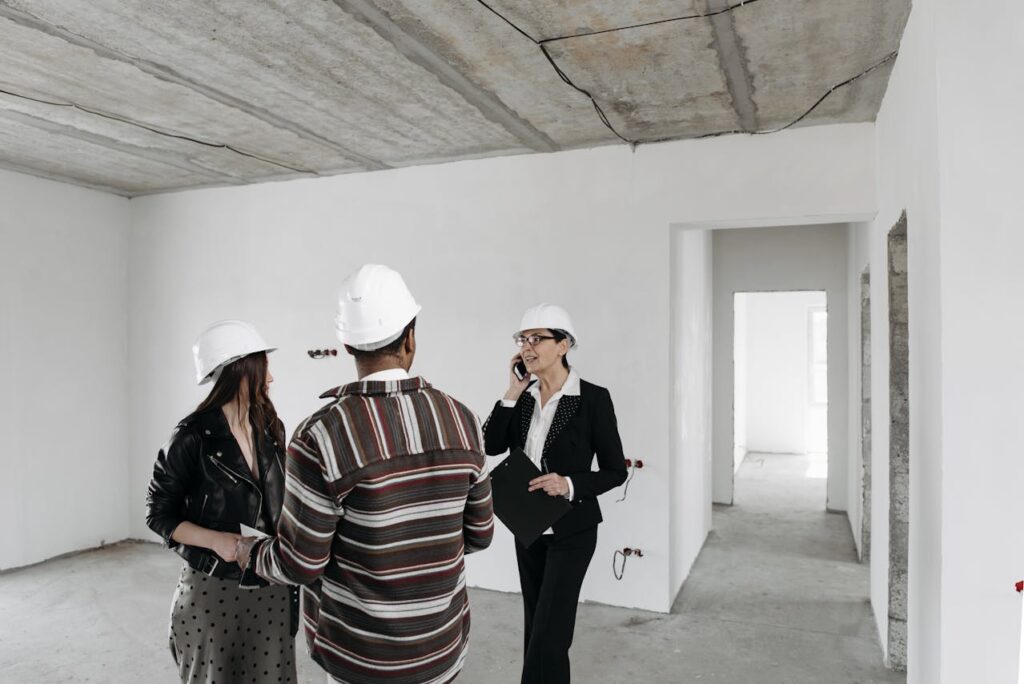
We coordinate with engineers, contractors, and code officials to document exactly what upgrades are required and why.
Then we present this evidence in a format that forces the insurer to address it within the legal limits of your policy.
If you’re unsure where your coverage stands, consult our FAQs for clarity on common policy limitations.
Real-World Example: Code Compliance Dispute Resolved
A recent client suffered a fire loss that destroyed 60% of their luxury home.
The local building department required full electrical rewiring and upgraded insulation under the latest code.
The insurer initially denied these costs, calling them “improvements.”
After Anderson Bettencourt stepped in, we provided expert reports, legal references, and past case precedents.
The result?
A revised settlement that covered 100% of the code-required upgrades.
How to Proactively Protect Your Right to Rebuild to Code
If you’re a homeowner or commercial property owner, take these steps today:
- Review your policy for ordinance or law coverage.
- Consult a public adjuster before you file a claim involving significant damage.
- Document all communications with your insurer, contractor, and city permit office.
- Request a detailed scope of work from your contractor that aligns with current code.
- Never accept a settlement offer until all code requirements are fully evaluated.
If you believe your insurer has denied a fair code-related settlement, here are steps on how to appeal an unfair insurance settlement.
Why This Matters to You, the Policyholder
Disasters are unpredictable.
But being undercompensated for legally required upgrades shouldn’t be.
Rebuilding to code after a disaster isn’t optional — it’s a legal and safety necessity.
At Anderson Bettencourt, we ensure your settlement includes every dollar you’re entitled to, including costs the insurer may try to sidestep.
Our legal-backed strategies and deep understanding of construction and policy language give you the leverage to rebuild fully and safely.
Whether it’s a residential or commercial loss, we support both homeowner claims and commercial claims with equal expertise.
If you’re navigating a property loss, contact us today for a consultation that puts your rights and your rebuild first.
Related Posts