

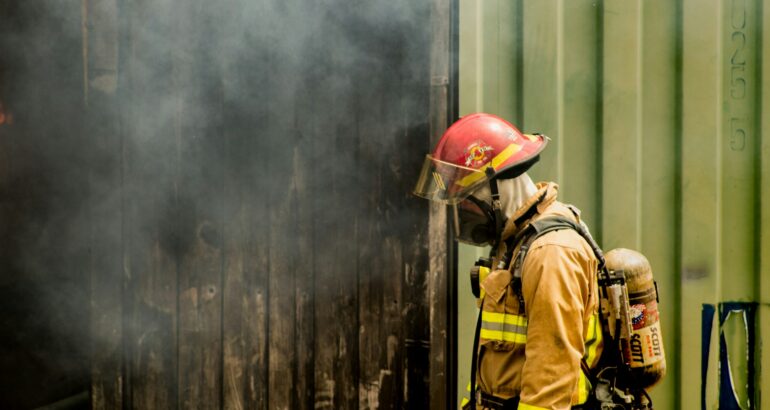
Step 1: Report the Fire Immediately
When a commercial property experiences a fire, immediate reporting is essential. Notify your insurer as soon as possible and obtain a written acknowledgment of your notice of loss.
Delays can affect coverage and slow down the investigation process.
Keep records of all correspondence, including claim numbers, adjuster names, and the date and time of your first contact. This documentation supports your timeline in case disputes arise later.
Learn more about commercial fire damage claims to understand initial reporting expectations.
Step 2: Secure the Property and Mitigate Further Damage
Once emergency services have cleared the site, take reasonable steps to prevent further loss.
Board up broken windows, fence off unsafe areas, and arrange for debris removal if necessary.
Most policies require you to protect the property from secondary damage, theft, or vandalism.
Failure to do so could reduce your settlement amount. Keep receipts for all emergency repairs and security expenses; these costs are usually reimbursable under your policy.
Step 3: Gather and Organize Documentation
Commercial fire insurance claims rely heavily on detailed records. Collect and organize:
- Proof of ownership for damaged assets
- Lease or mortgage agreements
- Inventory reports and equipment lists
- Financial statements and payroll data
- Photos and videos of damaged property
Documentation should support every loss claimed and demonstrate the fire’s impact on business operations.
Learn about insurance claim documentation to strengthen your submission.

Step 4: Request a Forensic Assessment
A forensic fire investigation helps determine the cause and origin of the loss. This step is critical for ruling out negligence and verifying eligibility under policy terms.
In complex commercial claims, a forensic accountant can quantify business interruption losses accurately.
See how forensic accounting supports precise financial recovery after large-scale property damage.
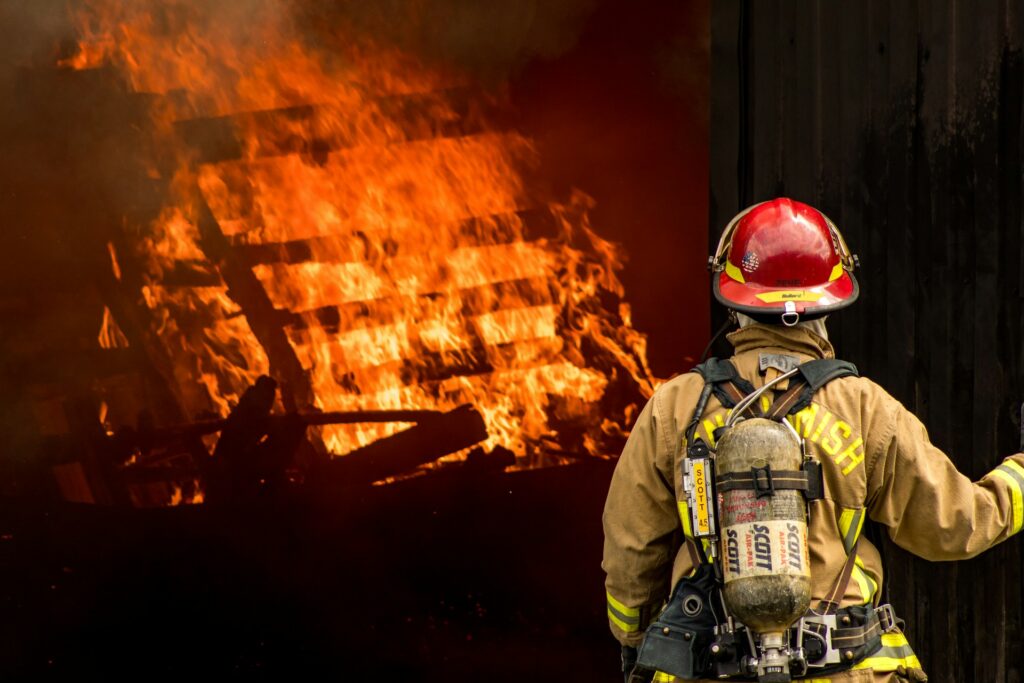
Step 5: Complete and File the Proof of Loss
Your insurer will issue a Proof of Loss form after initial investigation. This sworn statement lists every affected item, repair estimate, and claimed amount.
Ensure all numbers are supported by invoices, receipts, or estimates from certified contractors.
Mistakes or missing documentation can delay your settlement or result in underpayment. If you’re unsure how to complete it, seek professional help before submission.
Step 6: Work with a Public Adjuster
A licensed public adjuster represents your interests—not the insurer’s. They coordinate damage assessments, review policy limits, and negotiate the best possible outcome for your business.
Learn more about public adjusting services to understand how professional representation protects commercial property owners.
Step 7: Track the Settlement and Reimbursement Process
After the claim is approved, insurers typically issue an initial payment based on Actual Cash Value (ACV). The remaining amount is released after proof of repairs or replacements.
Keep detailed records of expenditures, as documentation is required for every reimbursement.
If delays occur, contact your adjuster to confirm review status and ensure no missing information is holding up your file.
Why This Matters to You, the Policyholder
Commercial fire losses can disrupt operations for months and create significant financial strain. Knowing the correct filing process helps protect your rights and ensures faster recovery.
Detailed documentation, professional assessments, and adjuster support all contribute to securing the compensation your business deserves.