


Typical Timeline for Fire Insurance Claims
Fire insurance claim timelines vary based on the severity of the loss, the insurer’s process, and how quickly documentation is provided.
For most residential claims, the timeline ranges from a few weeks to several months. Commercial claims often take longer because the damage, costs, and policy coverages are more complex.
Homeowners can expect the following general stages:
- Initial report and inspection
- Documentation review
- Claim evaluation
- Settlement offer
Delays usually occur when documentation is incomplete, investigations take longer than expected, or multiple adjusters become involved.
For larger residential losses, it is common for the process to stretch beyond the initial target dates.
If your loss involves a house fire, review how fire damage claims are handled for homeowners.
Early Stage: Reporting and Inspection
The claim timeline begins when you report the fire.
Most insurers respond within 24–72 hours and schedule an adjuster inspection shortly after.
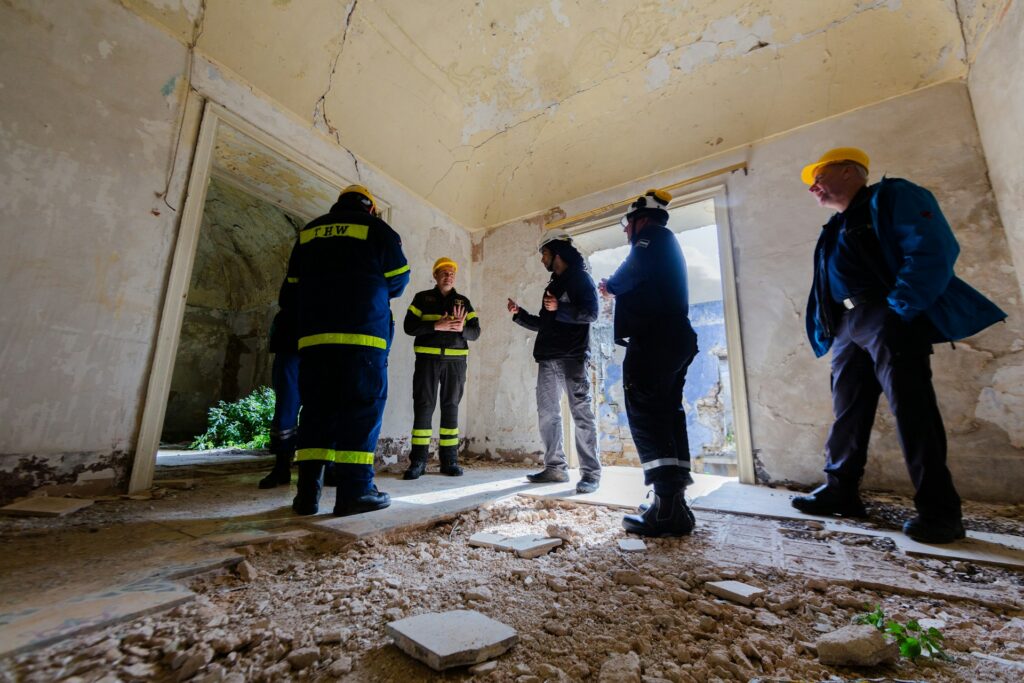
During this visit, the adjuster collects details, photographs, and preliminary estimates for the structure and contents. For commercial fires, inspections may involve multiple visits, engineers, and restoration contractors.
This is especially true when business operations are disrupted or when damage affects multiple units or tenants. Learn more about commercial fire damage claims if your loss involves a business property.
Homeowners and business owners should document the damage thoroughly with photos, videos, and notes. Clear records at this stage help avoid information gaps that can slow the claim down later.
Mid Stage: Documentation and Investigation
This stage often takes the most time and is the most frustrating for policyholders. Insurers need to review:
- Repair estimates from contractors
- Contents inventories and pricing
- Fire department or investigator reports
- Specialist opinions for structural or smoke damage
Commercial fires may also require:
- Engineering reports for damaged equipment
- Accounting reviews for lost revenue and extra expenses
- Lease or rental agreements when multiple parties are involved
When questions arise, insurers may ask for additional information, which can pause progress until everything is supplied.
To understand why some files slow down, see common delay issues in insurance claim delays.
For high-value or multi-location business losses, general commercial claims support is often needed to keep documents organized and deadlines on track.

Why Delays Happen
Delays are common in fire insurance claims, even when coverage is clear. The most frequent causes include:
- Missing or incomplete paperwork
- Conflicting estimates from contractors
- Slow communication from adjusters
- High claim volume after regional disasters
- Complex damage that requires specialist input
In some cases, the insurer may be waiting for internal approvals or external expert reports.
For the policyholder, it can feel like nothing is happening, even when the file is technically “in review.”
How a Public Adjuster Speeds Up the Process
A public adjuster works on your behalf to move the file forward, uncover missing documentation, and prevent unnecessary delays.
They coordinate contractors, gather evidence, and communicate with the insurer so the claim does not stall.
Public adjusters also ensure the claim is prepared correctly the first time, reducing back-and-forth revisions that extend timelines.
They can be especially helpful for large house fires, multi-unit properties, or complex business interruptions.
For homeowners facing a major fire, homeowner claims support from a public adjuster can make the process clearer and more efficient.
Why This Matters to You, the Policyholder
Fire claims can feel overwhelming, especially when timelines stretch longer than expected.
Understanding how the process works—and why delays happen—helps you stay organized and avoid setbacks.
By keeping documentation complete, responding quickly to insurer requests, and getting expert help when needed, you can shorten the claim timeline and improve your chances of a fair settlement.
Related Posts
- How to Read an Insurance Claim Settlement Letter
- Why Insurance Claims Take So Long & How to Speed Up the Process