

Late Reporting: Why Timing Matters
One of the most frequent errors policyholders make is delaying the initial claim report.
Water damage spreads quickly, and insurers expect prompt notification to assess the loss before conditions change.
Reporting late can lead to disputes over the cause, extent, or timing of the damage.
For homeowners facing sudden leaks or flooding, review how water damage claims are handled under your insurance policy.
Poor or Incomplete Documentation
Insurers rely heavily on documentation to verify damage and determine coverage. Missing photos, incomplete inventories, or vague descriptions can slow the claim or lead to reduced payouts.
Document everything immediately:
- Photos and videos of the affected areas
- Moisture readings if available
- Damaged contents listed with values
- Receipts for emergency cleanup work
Learn how to strengthen your documentation using these tips on insurance claim documentation.
Failure to Stop Further Damage
Once water damage occurs, insurers expect you to take reasonable steps to prevent it from getting worse. Failing to mitigate can lead to partial denial or reduced compensation.
Examples of required mitigation include:
- Shutting off the water supply
- Removing standing water
- Starting drying or dehumidifying
- Preventing mold growth
If mold develops due to delays, the insurer may argue that the damage was avoidable.
Incorrect Assumptions About Coverage
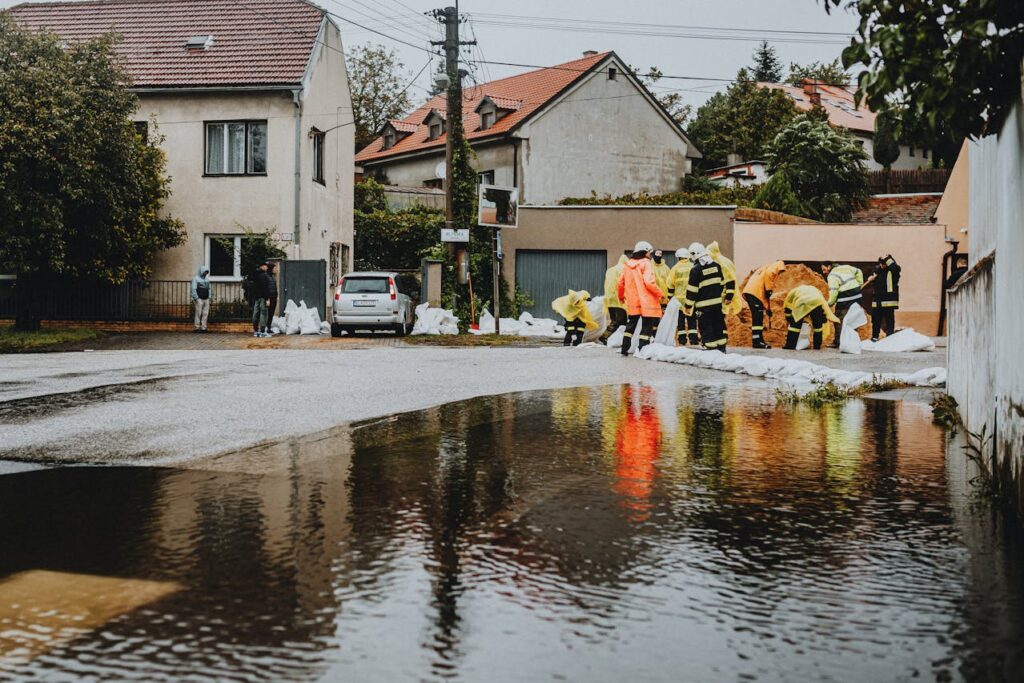
Not all types of water damage are covered. Many homeowners assume all water-related losses fall under the same category, but coverage varies depending on the source:
- Burst pipes may be covered
- Groundwater seepage usually isn’t
- Sewer backup requires specific endorsement
- Overland flood is separate coverage
To understand options for complex losses, see how natural disaster claims are evaluated.
For Commercial Properties: Added Risks
Businesses face unique challenges with water damage, including equipment loss, inventory destruction, and downtime.
Errors such as poor recordkeeping or incomplete business interruption data can lead to significant underpayment.
Learn how commercial losses are managed through commercial claims support.
How a Public Adjuster Helps Prevent Mistakes
A public adjuster ensures the claim is properly documented, filed on time, and supported with accurate valuations. This reduces the risk of delays, disputes, or denial—especially for complex or large water damage claims.
Why This Matters to You, the Policyholder
Water damage claims are among the most commonly denied insurance claims because of avoidable mistakes. Understanding what insurers expect helps you protect your property and your right to compensation.
Proper documentation, timely reporting, and expert help can significantly increase the chances of a smooth and successful settlement.