


Understanding How Insurers Define Water Damage
Water damage is one of the most common and costly property losses in Canada, yet it remains one of the most misunderstood.
The difference between a burst pipe and a flood may seem small, but insurers classify these events very differently.
That classification determines whether a loss is fully covered, partially covered, or excluded. For high-value homes and commercial buildings, the financial impact can be substantial.
This guide explains how insurers define water damage, the difference between water escape and flood perils, common exclusions, and the documentation steps every policyholder should follow.
Policyholders looking for a deeper understanding of how insurers process these claims can review the full Claim Process overview.
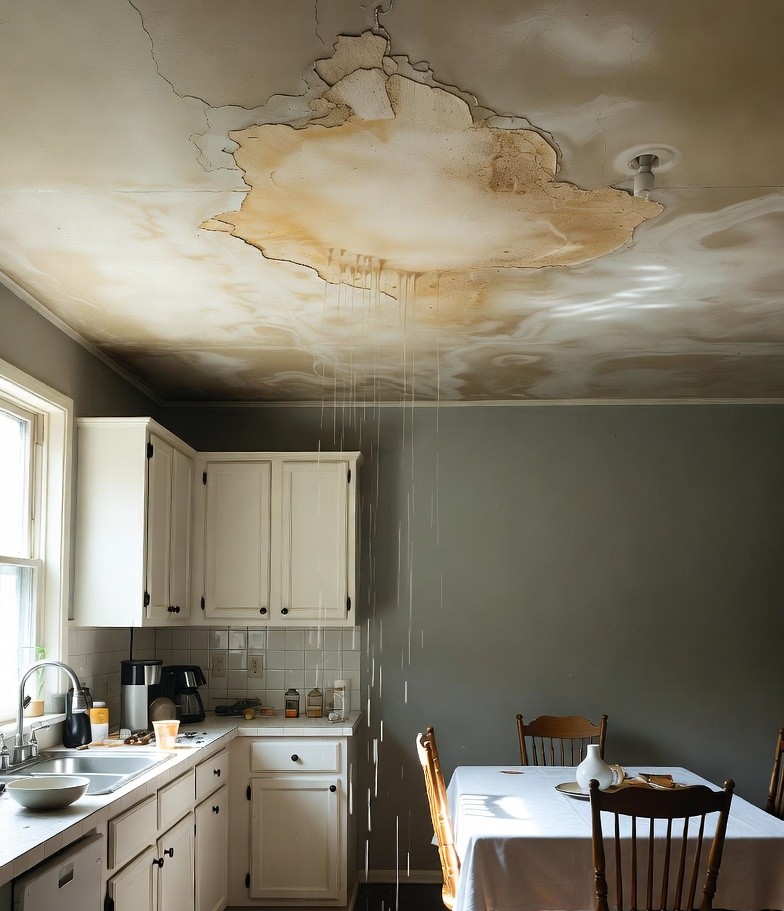
What Insurers Consider a Burst Pipe or “Water Escape”
Most insurance policies use the term water escape to describe sudden and accidental water release inside the property. A burst pipe is the most common example of this peril.
Additional insights about residential water escape claims are outlined in Homeowner Claims.
Common examples of water escape
- Pipes rupturing due to freezing or pressure
- Appliance supply line failures
- Hot water tank ruptures
- Sudden fixture or plumbing failures
These events are typically covered as long as the homeowner or property manager meets policy conditions such as maintaining heat and reporting the loss promptly.
When burst pipe claims may be denied
Insurers may deny or reduce payment if:
- The property was left unheated during winter
- Plumbing systems were not maintained
- The loss was reported late
- The building was vacant without notifying the insurer
Commercial buildings affected by burst pipes often face operational interruptions. Those scenarios are addressed in Commercial Claims.
What Insurers Classify as a Flood
A flood is not the same as indoor water damage. Insurers define flood as water entering the structure from outside the building. This definition is precise and usually applies only when a policy includes an added endorsement. Additional guidance on water-related losses, including flood criteria, is available under Water Damage Claims.
Examples of insurer-defined flood events
- Overflowing rivers, lakes, or streams
- Surface water pooling and entering the structure
- Storm surge or tidal water
- Heavy rainfall overwhelming the property’s exterior drainage
Flood-related losses are often excluded unless the insured purchased flood coverage or an overland water endorsement.
Commercial properties impacted by exterior water entry can review more details in Commercial Water Damage.
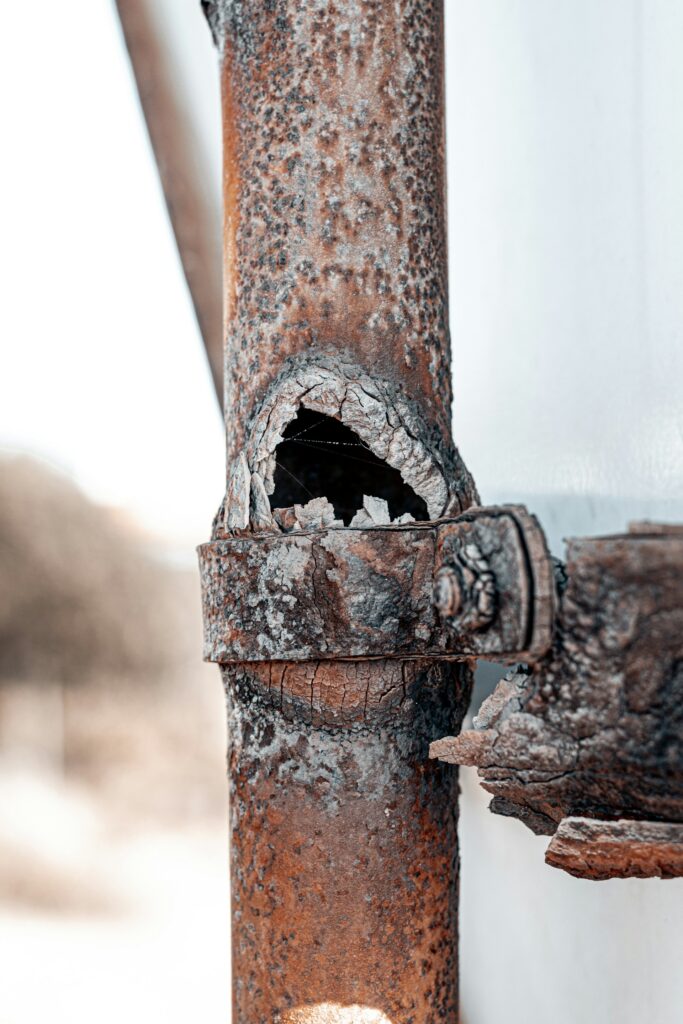
How Classification Affects Coverage
Classification determines which peril the insurer will evaluate and which section of the policy applies.
Coverage differences at a glance
- Burst pipe: Typically covered, subject to conditions
- Flood: Covered only with the specific endorsement
- Sewer backup: Requires its own endorsement
- Groundwater seepage: Frequently excluded
Understanding these categories early helps avoid unexpected coverage gaps.
Common Exclusions Policyholders Should Be Aware Of
Insurers use exclusions to limit their exposure. These exclusions can create major challenges during a claim, especially after a large loss.
Frequent exclusions
- Gradual leaks or long-term seepage
- Mold resulting from delayed reporting
- Poor plumbing maintenance
- Water damage during vacancy or unoccupied periods
- Water entering through foundations without flood coverage
When disputes arise regarding exclusions or insurer interpretation, policyholders can reference our guide to Denied Claim Solutions.
Documentation Tips to Strengthen a Water Damage Claim
Accurate documentation is one of the strongest protections a policyholder has during a water damage claim.
Key documentation steps
- Take clear photos and videos immediately
- Capture the source of water and initial pooling
- Preserve damaged components such as broken pipes
- Keep emergency repair invoices and reports
- Maintain a written log of insurer communications
- Notify the insurer promptly in writing
A full guide to effective documentation is outlined in Insurance Claim Documentation.
How Anderson Bettencourt Supports Water Damage Claims
Water damage classification becomes contentious when insurers attempt to re-label a covered loss as an exclusion.
Our role is to ensure claims are evaluated fairly, based on the policy’s wording and the physical evidence.
As licensed public adjusters in Ontario, we help homeowners and commercial property owners understand their policy obligations, respond to insurer requests, and protect their interests throughout the claims process.
Policyholders seeking direct guidance can book an appointment to discuss their situation.
Why This Matters to You, the Policyholder
Water damage escalates quickly, and insurers rely on technical definitions when determining coverage. Knowing the difference between water escape and flood allows policyholders to identify risk gaps before a loss occurs.
Prompt reporting, proper documentation, and a clear understanding of endorsements reduce the likelihood of disputes.
When disagreements arise, professional support ensures the claim reflects the true extent of the loss and is handled fairly.