

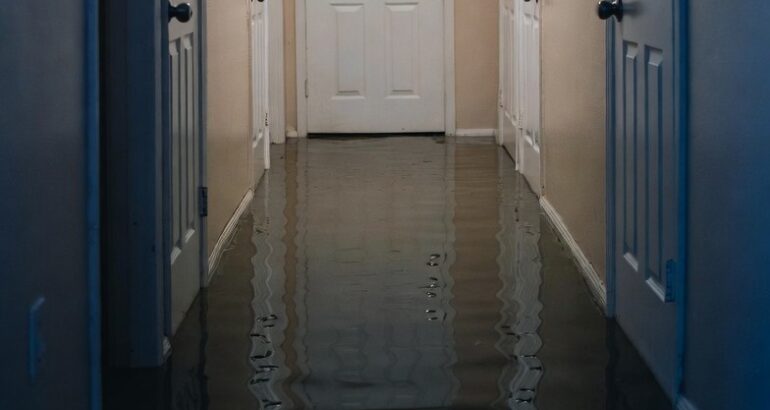
Why Water Damage in Condominiums Is More Complex Than Standard Home Claims
Water damage is the most common cause of loss in condominiums and multi-unit buildings. A single incident, such as a burst pipe, appliance failure, roof leak, or overflowing fixture, can affect multiple units and shared areas.
Because responsibility is divided among unit owners, the condominium corporation, and the building’s master insurance policy, these claims often become more complicated than standard home claims.
Disputes frequently occur when policies overlap or when it is unclear who should pay for which part of the damage. To understand how insurers interpret and manage residential losses, owners can review the homeowner claims resource for foundational guidance.
Understanding the Three Layers of Condo Insurance Coverage
Condominium water damage claims involve three distinct insurance layers. Knowing how they interact is essential for determining who is responsible.
1. The Unit Owner’s Insurance Policy (Contents and Improvements)
Individual unit owners carry personal condo insurance that typically covers:
- Personal belongings
- Unit improvements and betterments
- Interior finishes, such as flooring and cabinetry
- Additional living expenses if the unit becomes uninhabitable
- Personal liability
Where disputes arise
Insurers sometimes decline coverage for improvements completed before the current owner purchased the unit or for damage involving original building materials.
Unit owners can reference water damage insurance claims for insight into how insurers classify various types of water losses.
2. The Condominium Corporation’s Master Policy
The building carries a master insurance policy that usually covers:
- Structural components, including walls, ceilings, and floors
- Mechanical and plumbing systems serving the building
- Shared spaces, including lobbies, hallways, and garages
- Common elements such as roofs, risers, and mechanical rooms
Board responsibility
The condominium board is responsible for coordinating repairs to common elements and notifying affected owners. For commercial units within mixed-use buildings, additional considerations may arise, and commercial claims can help clarify these obligations.
3. Deductible Assessments to Unit Owners
When the master policy responds, the condominium corporation may charge an owner for:
- The full master policy deductible
- A portion of the damages attributed to that unit
- Damage related to negligence or lack of maintenance
Why this matters
Master policy deductibles for water damage can be substantially higher than those found in standard home insurance policies.
Owners should confirm that their personal policy includes adequate deductible assessment coverage to avoid unexpected out-of-pocket costs.
Common Causes of Water Damage in Condominiums
Water damage in multi-unit buildings often involves:
- Burst pipes within walls or ceilings
- HVAC and mechanical failures
- Leaking appliances inside units
- Roof or envelope failures
- Sprinkler system discharge
- Sewer or drain backups
- Water migrating between adjacent units
Water often travels quickly through shared structures, which makes early action essential.
For more information about classification, unit owners can review water damage claims to understand how insurers categorize water events.
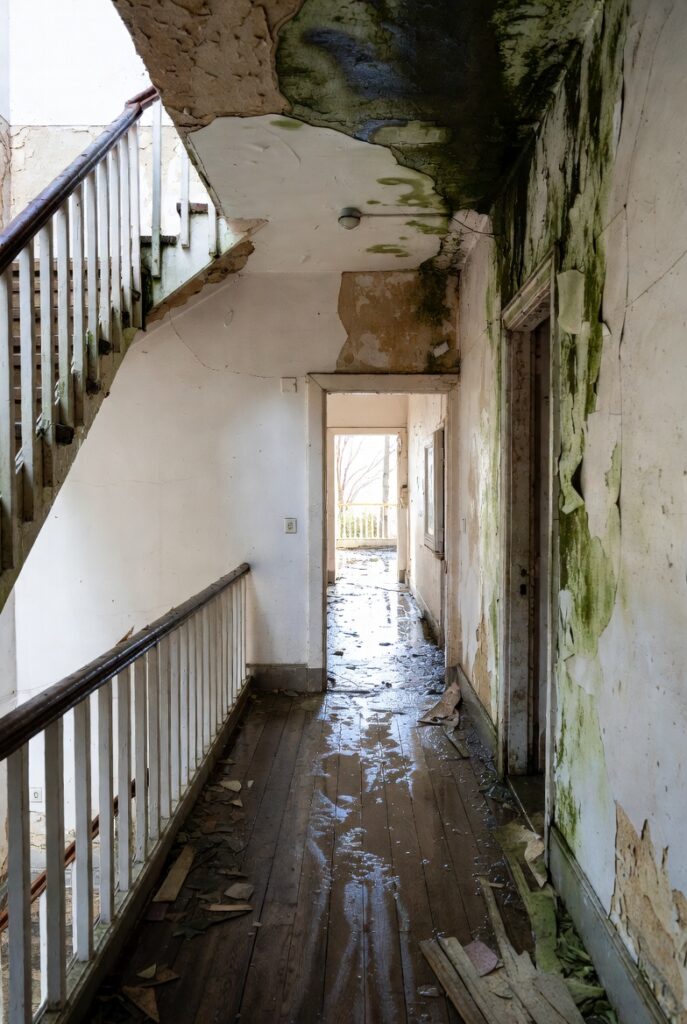
How Coverage Differs Depending on the Cause of Loss
Situation A: Water originates inside a unit
The unit owner’s policy typically covers:
- Contents
- Betterments and improvements
- Interior finishes
The master policy covers structural components.
Situation B: Water originates from a common element
If a riser pipe, roof membrane, or mechanical system failure causes the loss, the master policy typically responds.
Mixed-use and commercial units with shared systems may require additional guidance, which is available under commercial water damage.
Situation C: Water migrates between units
Responsibility depends on:
- The water source
- Whether negligence occurred
- Whether building systems contributed to the issue
These situations often require independent inspection and evidence.
Why Condominium Water Damage Claims Are Frequently Delayed or Disputed
Delays and disputes commonly occur due to:
- Confusion over which policy layer applies
- Unclear distinctions between betterments and original fixtures
- Misinterpretation of bylaws
- Gaps in communication among owners, boards, and insurers
- Disagreements over negligence or maintenance responsibilities
- Insurers shifting responsibility to another party
Understanding how the process works is essential. Owners and boards can review the claim process to prepare for insurer expectations.
How Public Adjusters Help Condo Owners and Boards Resolve Water Damage Claims
A public adjuster works exclusively for policyholders. They assist unit owners and condominium corporations by clarifying responsibilities, coordinating documentation, and communicating with insurers.
Ways public adjusters support condominium water claims
- Reviewing personal policies, master policies, and bylaws
- Determining which policy layer should respond
- Documenting damage across multiple units and common areas
- Identifying hidden moisture or structural concerns
- Challenging incorrect insurer assumptions
- Negotiating appropriate repair scopes
- Ensuring deductibles are assessed correctly
- Protecting owners from unfair charges
When the cause of loss is disputed, inspectors may need to distinguish between sudden water escape and flooding. For background, readers can reference burst pipe or flood to understand how insurers classify water sources.
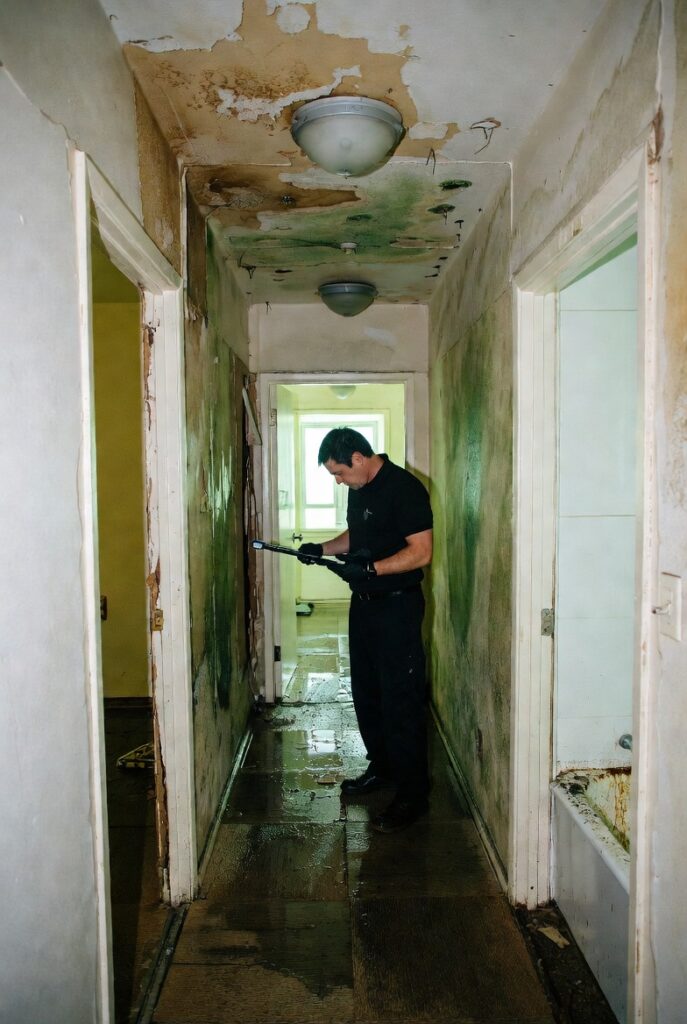
Steps Unit Owners Should Take After Water Damage Occurs
1. Report the loss immediately
Notify the condo board, property management, and your insurer as soon as water is discovered.
2. Document the damage thoroughly
Take photos and videos of the source, affected areas, and damaged belongings.
3. Prevent further damage if safe
Shut off water, move belongings to dry areas, and use fans or dehumidifiers where appropriate.
4. Request written confirmation from the board
Confirm whether the water originated from a common element.
5. Review your policy and the condominium bylaws
Understanding responsibilities helps owners avoid unnecessary disputes.
6. Seek support when coverage is unclear
Owners and boards may require professional assistance. Licensed public adjusters can coordinate investigations, interpret policies, and advocate for fair outcomes.
Those needing direct help can book an appointment.
Why This Matters to Condominium Owners and Boards
Water damage in multi-unit buildings involves overlapping responsibilities, multiple policies, and complex interactions among insurers, boards, and owners.
Understanding how each insurance layer works helps prevent disputes, costly delays, and unnecessary out-of-pocket expenses.
When a water loss occurs, preparation and clarity allow owners and boards to protect their property and secure a fair resolution.