


Why Claim Valuation Methods Matter
When filing an insurance claim, one of the most important factors affecting the final payout is how the loss is valued.
Many policyholders focus on whether damage is covered, but even covered claims can result in disappointing settlements if valuation methods are misunderstood.
Insurance companies typically rely on two primary valuation methods: actual cash value and replacement cost.
Understanding how claims move through the claim process helps policyholders identify where valuation decisions are made and how they influence settlement outcomes.
What Actual Cash Value Means in Insurance Claims
Actual cash value, often referred to as ACV, reflects the depreciated value of damaged property at the time of loss.
Insurers calculate ACV by estimating the replacement cost of an item and then subtracting depreciation based on age, condition, and expected useful life.
Depreciation is a common source of dispute. Many policyholders are surprised to learn how aggressively depreciation can be applied.
The article on insurance depreciation on claims explains how depreciation impacts settlement amounts.
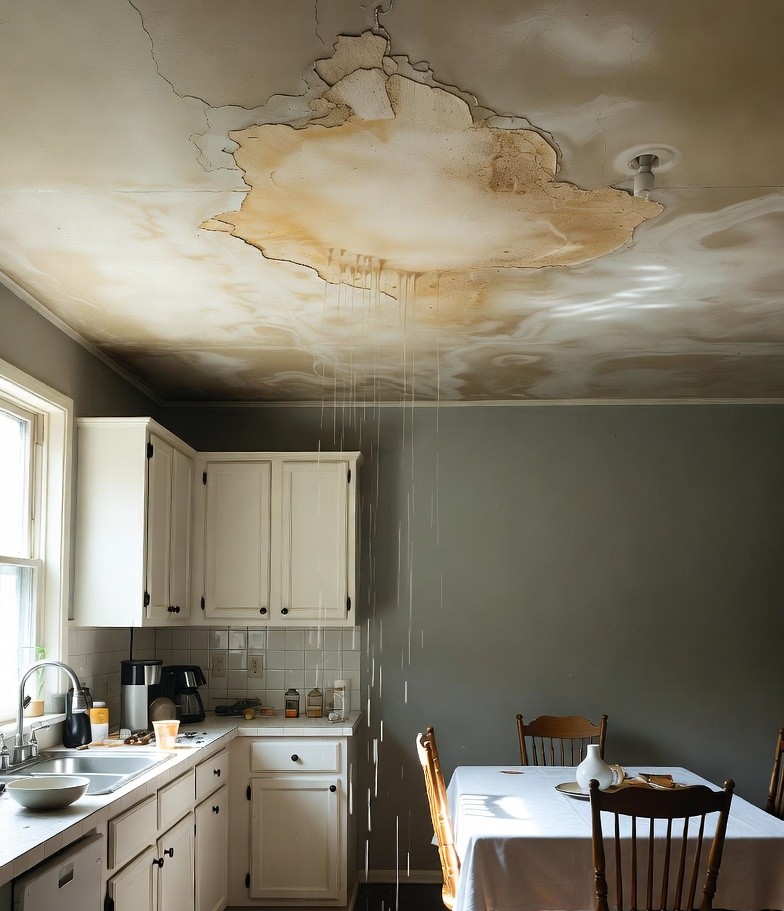
Key characteristics of actual cash value
- Accounts for wear and tear
- Reflects the item’s age and condition
- Typically results in lower settlement amounts
- Common in basic or lower-premium policies
How Replacement Cost Coverage Works
Replacement cost coverage reimburses the cost to repair or replace damaged property with materials of similar kind and quality, without deducting depreciation. This approach is designed to restore the property rather than compensate for its depreciated value.
In many claims, insurers issue an initial ACV payment and release the remaining funds only after repairs are completed. Policyholders unfamiliar with this process may assume the initial payment is final.

Why Insurers Apply Depreciation Differently
Depreciation practices vary widely between insurers and even between adjusters. In some cases, depreciation is applied more aggressively than policy language supports.
Common depreciation issues
- Depreciating labor costs
- Using unreasonable depreciation schedules
- Ignoring maintenance or upgrades
- Depreciating items beyond realistic limits
These practices are often part of broader strategies used to reduce claim payouts. The post how insurers reduce settlements outlines common tactics policyholders should recognize.
Valuation Differences for Homeowners
Homeowners frequently encounter valuation issues with roofs, flooring, cabinetry, appliances, and personal belongings. ACV settlements may not provide enough funds to complete repairs without personal expense.
Policyholders dealing with residential losses can review homeowner claims to understand how valuation affects coverage and recovery.
Common homeowner challenges
- Insufficient funds to complete repairs
- Delays in receiving replacement cost holdback
- Disputes over depreciation percentages
- Misclassification of damaged items
Valuation Differences for Businesses
For commercial property owners, valuation disputes tend to be more complex. Business claims often involve specialized equipment, custom build-outs, and large repair scopes.
Commercial losses are further complicated by cash flow pressures and operational downtime. The commercial claims process highlights how valuation affects business recovery.
Common business valuation issues
- Depreciation of specialized machinery
- Valuation of tenant improvements
- Disputes over code upgrades
- Partial payments affecting cash flow
Best Practices for Policyholders Reviewing Valuation
Settlement offers should always be reviewed carefully. Understanding how numbers are calculated allows policyholders to identify undervaluation early.
Best practices to follow
- Request detailed depreciation breakdowns
- Compare insurer estimates with contractor quotes
- Confirm replacement cost eligibility
- Track repair invoices and proof of completion
- Review settlement documents carefully
Learning how to read an insurance settlement letter helps policyholders understand what is included and what may be missing.
When Valuation Disputes Arise
Valuation disputes often occur when insurers and policyholders disagree on depreciation, repair scope, or replacement methods. These disagreements can stall claims and delay repairs.
Signs of a valuation dispute
- Settlement offers far below repair estimates
- Unclear explanation of depreciation
- Refusal to adjust estimates after new evidence
- Delays in releasing replacement cost funds
Policyholders facing these issues may benefit from reviewing how to maximize your insurance claim to understand negotiation strategies.
How Professional Support Helps With Valuation Issues
Public adjusters help policyholders navigate valuation disputes by reviewing estimates, identifying errors, and negotiating fair settlements based on policy terms.
Ways professional support adds value
- Independent review of damage scope
- Verification of valuation methodology
- Documentation of replacement costs
- Negotiation of depreciation disputes
Policyholders can work with licensed public adjusters to ensure valuations reflect actual repair costs.
Those needing assistance can book an appointment for personalized guidance.
Why This Matters to Policyholders
The difference between actual cash value and replacement cost can significantly affect financial recovery after a loss. Misunderstanding valuation methods often leads to underpayment and prolonged disputes.
Policyholders who understand how insurers calculate claim value are better equipped to evaluate settlement offers, challenge unfair depreciation, and protect their financial interests throughout the claims process.
Related Posts