

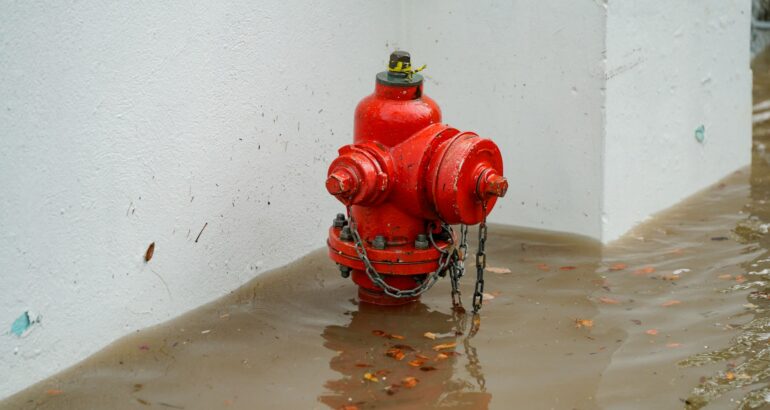
Why Basement Flood Claims Are Frequently Challenged
Basement floods are among the most damaging losses for Canadian property owners. They ruin flooring, mechanical systems, electrical components, stored belongings, and in many cases, the foundation structure itself.
Despite the severity, basement flood claims are also among the most frequently denied.
Insurers rely on technical policy definitions and narrow exclusions to limit payouts. To understand how insurers evaluate these losses, homeowners can review the claim process and see how classification affects coverage.
This guide explains the most common denial reasons and how a public adjuster challenges insurers using evidence, documentation, and policy interpretation.
Common Reasons Insurers Deny Basement Flood Claims
1. Groundwater Seepage Excluded Under the Policy
Most policies exclude groundwater entering through cracks or foundation walls.
If the insurer cannot identify a sudden, direct source, the loss is often labeled seepage, even when the basement is severely flooded.
Why this leads to denial
Insurers argue seepage is linked to grading, drainage, or long-term foundation issues rather than a sudden event.
How to challenge it
A public adjuster may gather moisture mapping, weather data, or contractor evidence showing the intrusion was sudden — not gradual. Property owners can also review water damage claims to understand how insurers define covered versus excluded water events.
2. Overland Flood Not Included in the Policy
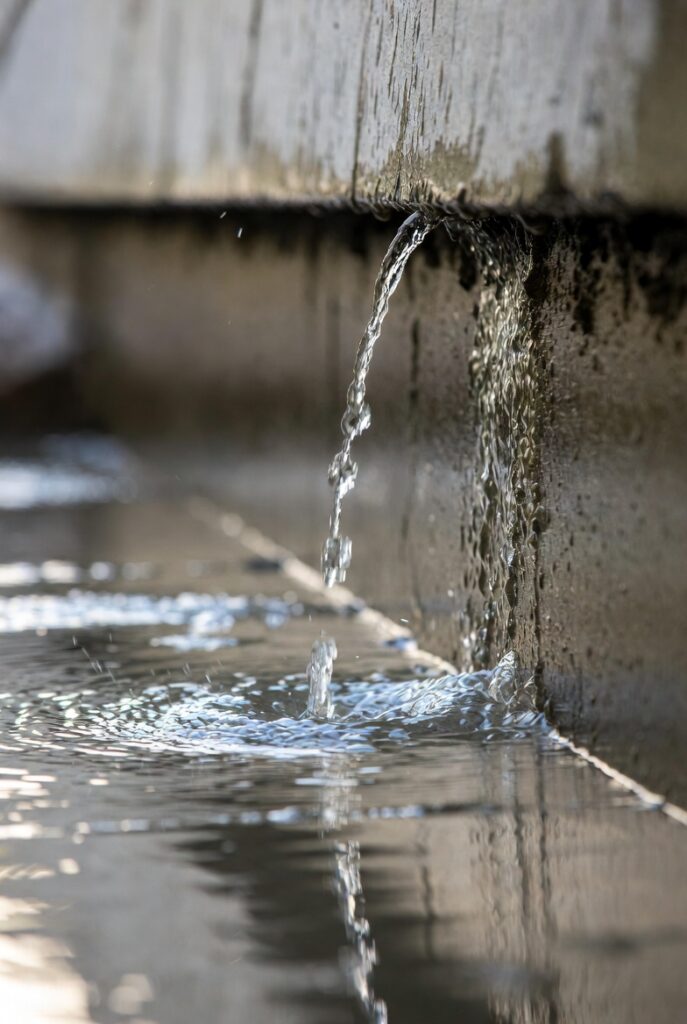
Overland flood is typically a separate endorsement. Without it, insurers deny claims involving:
- Water entering from rising water levels
- Rainwater pooling and flowing into the basement
- Surface water from heavy storms
- Snowmelt entering from outside
Why denial occurs
Insurers classify nearly all external water sources as overland flood unless proven otherwise.
How to challenge it
Public adjusters may review local flood patterns, municipal drainage issues, and eyewitness reports. When the loss affects commercial properties, business owners can also reference commercial water damage for additional context on classification.
3. Sewer Backup Not Covered Without the Endorsement
Many basement floods are caused by sewer or drain backup.
If the homeowner does not have the endorsement, the insurer typically denies the claim.
Why this happens
Sewer backup is considered a separate, optional add-on.
How to challenge it
A public adjuster may identify contributing covered events, such as municipal overload or stormwater surges. More guidance is available in water damage insurance claims, which explains how insurers classify these losses.
4. Insurer Suggests the Damage Was Gradual, Not Sudden
If the insurer determines the water entered slowly over time, they may deny the claim based on long-term leakage or inadequate maintenance.
Examples used to deny claims
- Slow leaks from foundation cracks
- Deteriorated sump pumps
- Long-term drain tile issues
- Repeated minor seepage events
How to challenge it
Technical assessments can help prove the loss was sudden. For disputes involving misclassification, homeowners can reference burst pipe or flood? to understand how insurers define sudden versus gradual water damage.
5. Improper or Delayed Mitigation
Insurers may reduce payment if they believe the homeowner failed to:
- Remove water quickly
- Protect belongings
- Prevent mold development
- Use qualified restoration contractors
- Report the loss promptly
How to challenge it
A public adjuster can reconstruct the timeline, demonstrate reasonable mitigation efforts, and address delays caused by safety concerns or inaccessible areas.
6. Insufficient Documentation of the Damage
Basement flood claims are often denied because homeowners cannot show:
- The depth of the water
- The progression of damage
- Affected structures and contents
- When the loss occurred
- The source of intrusion
How to challenge it
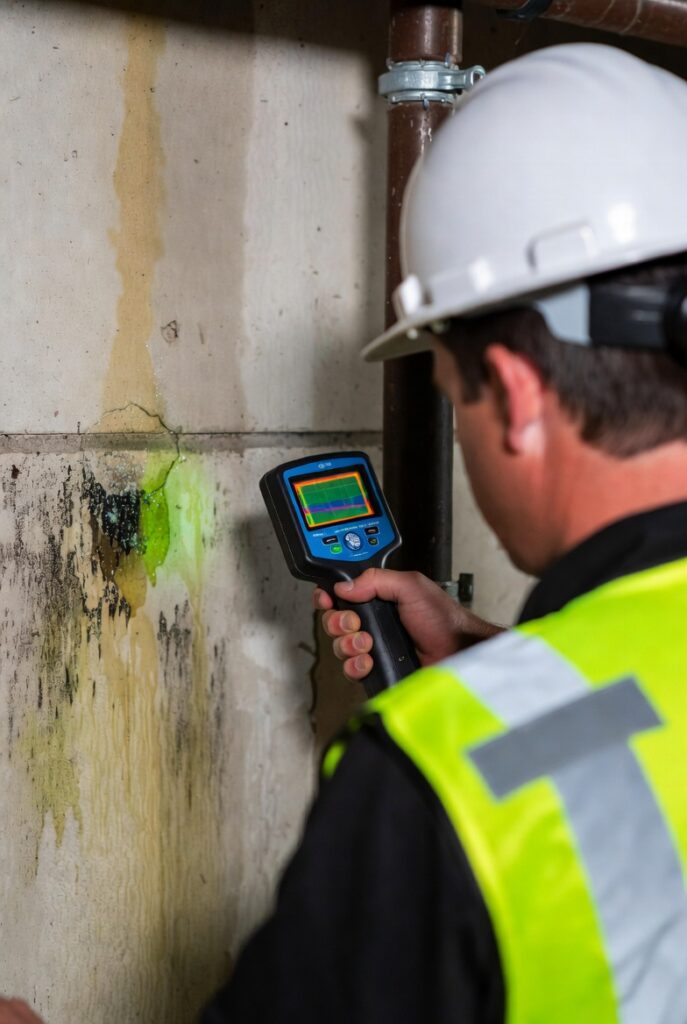
Public adjusters recreate missing documentation through detailed inspections, humidity readings, contractor reports, and photographic evidence. For homeowners seeking broader support, homeowner claims offers additional insight into documentation standards.
How Public Adjusters Fight Basement Flood Claim Denials
Basement flood disputes often hinge on technical interpretation. A public adjuster advocates exclusively for the policyholder and ensures all evidence is evaluated.
Strategies used to challenge denials
- Conducting independent inspections
- Reviewing insurer classification for inconsistencies
- Gathering weather reports, municipal data, and engineering opinions
- Reconstructing the timeline of events
- Challenging incorrect assumptions from insurer contractors
- Identifying overlooked structural or mechanical damage
Public adjusters also uncover additional losses insurers may miss, such as hidden moisture, damaged equipment, and early-stage mold.
When to Seek Professional Help
Professional support is essential when:
- The insurer denies the claim
- The cause of loss is disputed
- Damage is labeled as seepage or long-term leakage
- Repair scopes appear incomplete
- Multiple water sources are involved
- Mold or structural issues are developing
Homeowners and business owners needing assistance can connect with licensed public adjusters who handle complex water damage disputes. To discuss a denied claim, property owners can book an appointment directly.
Why This Matters to Policyholders
A basement flood can create major financial strain and long-term damage. Insurers often rely on technical definitions and narrow exclusions to deny claims, leaving policyholders unsure of their next steps.
Understanding why denials occur and how to challenge them effectively gives homeowners and business owners the ability to protect their property, their finances, and their rights.
A well-supported challenge significantly increases the chance of a fair settlement.
Related Posts
- Understanding Mold Damage Coverage After Water Leaks
- Why Insurance Claims Get Denied — And What You Can Do