


Why Luxury Homes Face Unique Insurance Risks
High-value homes present insurance challenges that go far beyond standard residential properties.
Custom construction, premium materials, specialized finishes, and unique architectural features all affect how losses are valued and repaired.
When coverage does not reflect these realities, underinsurance becomes a serious risk.
Many homeowners only discover coverage gaps after a loss occurs. These issues often surface late in the claim process.
At that point, replacement cost limits, outdated valuations, and policy restrictions can significantly reduce recovery and leave owners responsible for substantial out-of-pocket expenses.
What Underinsurance Looks Like in High-Value Homes
Underinsurance occurs when policy limits are insufficient to rebuild or repair a home to its original condition after a covered loss. This problem affects many homeowner claims involving high-value properties.
Inadequate replacement cost limits
Luxury homes often exceed standard rebuilding assumptions.
Custom millwork, imported materials, specialty roofing, and complex mechanical systems increase replacement costs well beyond average estimates.
If policy limits are based on outdated valuations or generic pricing models, they may not reflect current construction costs or the true scope of restoration required. Similar valuation issues also arise in complex commercial claims.
Outdated valuations and infrequent reviews
Many high-value properties are insured based on valuations completed years earlier.
These outdated figures are a common cause of settlement shortfalls, particularly when insurers rely on incomplete loss analysis similar to issues discussed in why insurance claims get denied in the first place. Over time, rising construction costs, renovations, and market changes can render these figures inaccurate.
Without regular reviews, coverage may lag behind actual replacement needs.
Common Coverage Gaps in Luxury Home Policies
Even when policy limits appear high, specific gaps may still exist.
Custom features and finishes
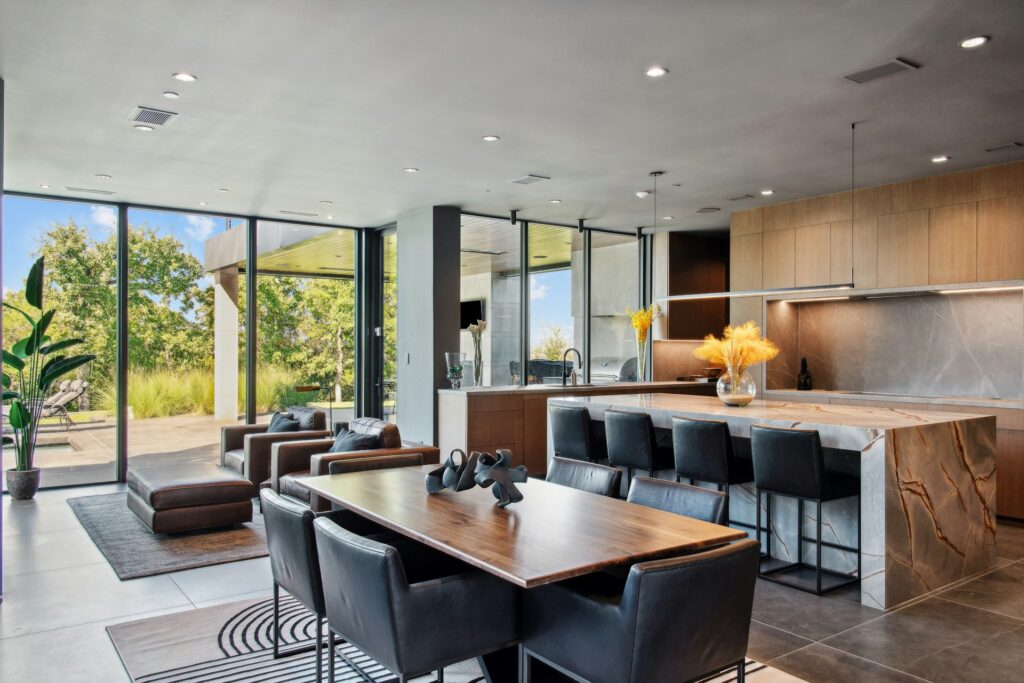
Luxury properties often include bespoke elements such as custom cabinetry, stonework, specialty flooring, and integrated technology. These features may not be fully accounted for in standard coverage forms.
Extended rebuild timelines
High-end reconstruction frequently takes longer due to specialized trades, material sourcing, and permitting requirements. Extended timelines can increase costs related to temporary living arrangements and project management.
Ordinance and code upgrades
Older luxury homes may require significant upgrades to meet current building codes after a loss. If ordinance or law coverage is limited, policyholders may bear these costs personally.
Why Standard Insurance Assumptions Fall Short
Many insurance policies rely on standardized valuation tools designed for typical residential properties. These tools may not accurately capture the complexity of high-value homes.
Generic pricing models
Automated estimating systems often use regional averages that fail to reflect premium materials or specialized labor rates required for luxury construction.
This valuation problem often emerges during large-loss assessments, including scenarios outlined in commercial business interruption claims.
Simplified property profiles
High-value homes are sometimes reduced to basic square footage calculations, overlooking architectural detail, craftsmanship, and customization that drive true replacement cost.
The Importance of Accurate Valuation
Accurate valuation is the foundation of adequate coverage.
Professional replacement cost assessments
Independent assessments that consider materials, design complexity, and current construction conditions provide a more reliable basis for setting limits.
Regular policy reviews
High-value homes should be reviewed periodically, especially after renovations, market shifts, or changes in building regulations.
Consistent updates help ensure coverage keeps pace with actual risk.

How Claims Reveal Underinsurance Problems
Underinsurance often becomes apparent during the claims process.
In some situations, valuation disputes may escalate to formal disagreement, particularly after losses caused by events such as those described in water damage insurance claims.
Reduced settlement payments
When policy limits are insufficient, insurers may pay the maximum available amount, leaving uncovered costs unpaid.
Compromised restoration decisions
Policyholders may be forced to choose lower-cost repairs, alternative materials, or scaled-back restoration to stay within coverage limits.
Proper documentation, including detailed records after sudden damage events, can help clarify the full scope of loss, as explained in burst pipe or flood water damage.
Steps High-Value Homeowners Can Take to Reduce Risk
Proactive planning reduces exposure to underinsurance.
Practical risk reduction strategies
- Schedule regular insurance reviews
- Document renovations and upgrades
- Maintain detailed property records
- Understand policy sub-limits and exclusions
- Reassess coverage after major market changes
Preparation strengthens both coverage and claim outcomes.
When Independent Guidance Becomes Valuable
High-value insurance claims involve complex valuation and interpretation.
Independent guidance can help identify coverage gaps before a loss and support accurate documentation afterward.
Experienced public adjusters often assist high-value homeowners with complex claims.
Early review often prevents disputes and underpayment during claims.
Why This Matters to Policyholders
Luxury homes represent significant financial and personal investment.
Underinsurance can undermine that investment at the moment protection is most needed.
Understanding how coverage gaps arise, why valuations matter, and how to address underinsurance helps high-value homeowners protect their properties, avoid unexpected costs, and pursue full recovery when losses occur.
Policyholders may choose to book an appointment for independent claim review.