

Navigating Natural Disaster Insurance Coverage Across Canada
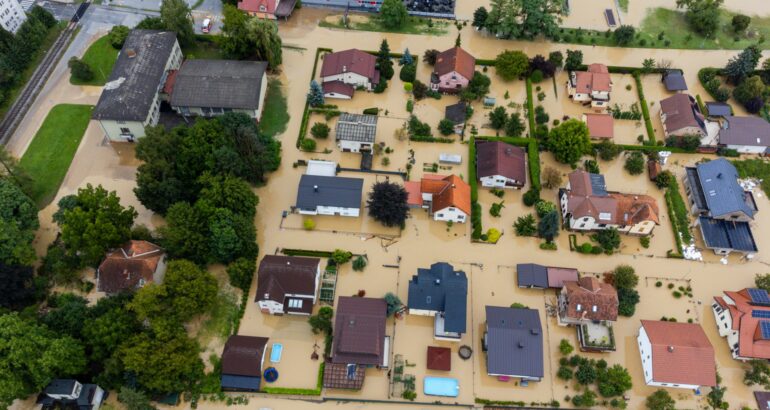
Natural disasters are an increasing source of property damage across Canada. Floods, severe storms, wildfires, and earthquakes can cause widespread losses in a short period of time.
When these events occur, insurance coverage and claim handling can vary significantly depending on policy wording, location, and the type of disaster involved.
Understanding how natural disaster insurance claims work in Canada helps property owners prepare for potential losses and avoid surprises during the claim process.
Both homeowners and commercial policyholders should be aware of what is typically covered, what is excluded, and how regional differences affect recovery.
How Natural Disaster Coverage Works in Canada
Insurance coverage for natural disasters is not uniform. Canadian policies respond differently depending on the cause of loss and the specific endorsements attached to the policy.
Most standard property insurance policies cover damage caused by sudden and accidental events. However, many natural disasters require optional coverage or have strict limitations.
Key factors that affect coverage
- Type of natural disaster
- Geographic location of the property
- Policy endorsements and exclusions
- Municipal infrastructure and risk classification
Understanding these factors is essential before a loss occurs.
Flood and Water Damage Coverage
Flooding is one of the most common and misunderstood natural disaster risks in Canada.
Issues frequently addressed in water damage insurance claims arise after severe storms and flooding. Coverage depends on the source of the water.
Overland flood
Overland flood coverage generally applies when water enters a property from ground level due to heavy rainfall, river overflow, or rapid snowmelt. This coverage is usually optional and subject to sub-limits and deductibles.
Properties located in high-risk flood zones may face restricted availability or higher premiums.
Sewer backup
Sewer backup coverage addresses water damage caused by municipal sewer system failures. This coverage is typically separate from overland flood protection and has its own limits.
Groundwater and foundation seepage
Damage caused by groundwater seepage or long-term foundation leaks is often excluded.
Distinctions between sudden losses and excluded damage are discussed further in burst pipe or flood water damage.
Insurers frequently classify this as maintenance related rather than sudden damage.
Storm and Wind Damage Coverage
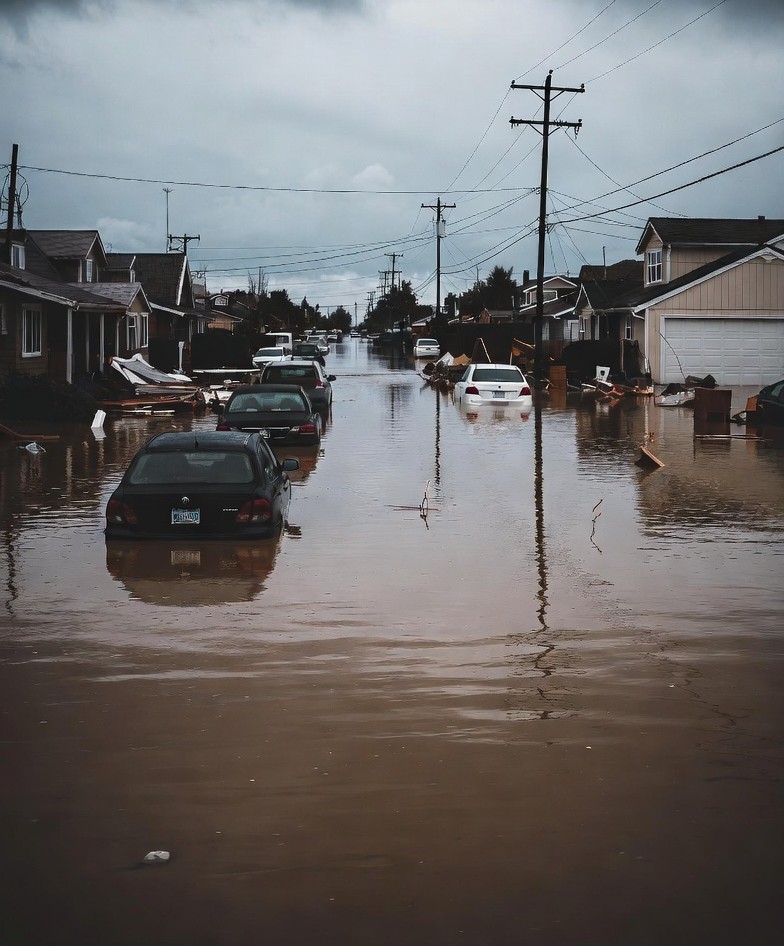
Storm related losses are commonly covered under standard property insurance policies, but disputes often arise over the extent of damage.
Common storm related losses
- Wind damage to roofs and siding
- Hail damage to exterior surfaces
- Falling trees and debris
- Ice storm related structural damage
Coverage may be limited if damage is attributed to wear and tear or pre-existing conditions. These limitations are common reasons explained in why insurance claims get denied in the first place.
Earthquake Coverage in Canada
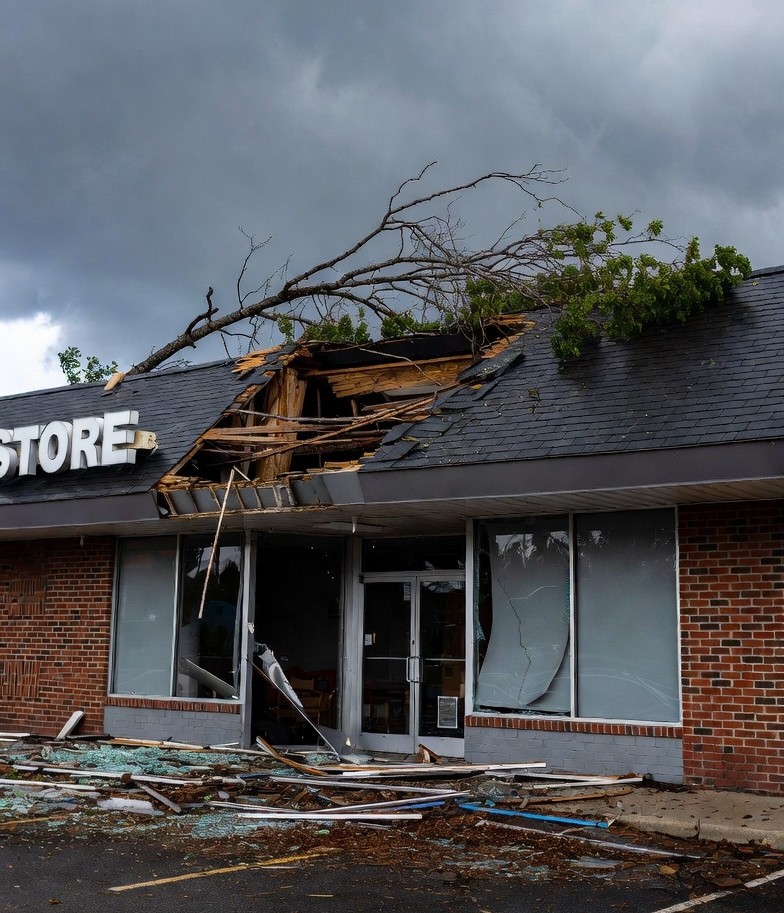
Earthquake coverage is not included in standard property insurance policies. It must be purchased as a separate endorsement.
Regional earthquake risk
- British Columbia faces the highest seismic risk
- Parts of Quebec and Eastern Ontario also have measurable exposure
- Earthquake deductibles are typically higher than other perils
Earthquake claims may involve structural damage that is not immediately visible. Delayed reporting can complicate recovery.
Wildfire and Smoke Damage
Wildfires increasingly affect communities across Western and Northern Canada. While fire damage is usually covered, smoke related damage may be disputed.
Common wildfire claim issues
- Smoke infiltration affecting HVAC systems
- Contamination of contents
- Evacuation related expenses
- Delayed access to property
Clear documentation is essential when smoke damage is not visibly obvious. Many challenges seen in disaster losses also appear in homeowner claims.
Regional Differences in Natural Disaster Claims
Natural disaster exposure varies widely across Canada.
These differences also affect larger properties and operations involved in commercial claims. Insurers assess risk based on geography, infrastructure, and historical data.
Examples of regional considerations
- Coastal flooding risks in Atlantic Canada
- Overland flood exposure in Ontario and Quebec
- Wildfire risks in British Columbia and Alberta
- Ice storm exposure in Eastern provinces
Regional risk profiles influence coverage availability, pricing, and claim scrutiny.
The Role of Government Assistance After Disasters
When losses exceed private insurance limits or fall outside policy coverage, government assistance programs may apply. Disasters that interrupt operations may also require planning similar to how to handle a commercial business interruption claim.
Disaster assistance programs
Provincial and federal disaster assistance programs may provide limited financial relief for uninsured or underinsured losses. These programs are not a replacement for insurance and often have strict eligibility requirements.
Assistance may be delayed and typically focuses on basic recovery rather than full replacement.
Preparing for a Natural Disaster Claim
Preparation improves outcomes after a disaster.
Practical preparation steps
- Review policy coverage and endorsements annually
- Understand deductibles and sub-limits
- Maintain property records and inventories
- Document upgrades and maintenance
- Store digital copies of important documents
Preparation reduces uncertainty during a claim.
Common Challenges in Disaster Claims
Natural disaster claims often involve large volumes of claims submitted simultaneously. This can strain insurer resources and slow processing.
Frequent challenges
- Delayed inspections
- Inconsistent damage assessments
- Disputes over coverage scope
- Underestimation of repair costs
- Coordination issues with contractors
Early organization and clear communication help mitigate these challenges. Complex disaster losses often benefit from the involvement of experienced public adjusters.
Why This Matters to Policyholders
Natural disasters can cause sudden and severe financial strain. Insurance coverage plays a critical role in recovery, but only when policyholders understand how it applies.
Knowing what natural disaster insurance covers in Canada, how regional risks affect claims, and where government assistance may apply allows property owners to make informed decisions.
Proper preparation and awareness help protect financial stability and improve recovery after catastrophic events. Policyholders seeking guidance may choose to book an appointment for disaster claim support.