


High-value homes and commercial properties rarely fit the mold of a standard insurance policy.
Custom materials, specialty systems, fine art, and complex operations create exposures that base policies often miss.
Policy endorsements — targeted add‑ons to your policy — are how you tailor coverage to your real risk profile and protect features that otherwise fall through the cracks.
What Are Policy Endorsements?
An endorsement amends your policy to add, remove, or modify coverage.
Endorsements can broaden definitions, increase limits, or carve out protection for specific property and loss scenarios.
In high‑value claims, endorsements often determine whether a loss is covered fully, partially, or not at all.
Why Endorsements Matter in High-Value Claims
Luxury properties and complex businesses carry elevated replacement costs and operational dependencies.
Without the right endorsements, insurers may cite exclusions, sub‑limits, or outdated terms — shrinking your settlement even when the loss is legitimate.
As highlighted in our article on common insurance policy exclusions, insurers often rely on exclusions to deny claims. The right endorsements close these gaps and ensure coverage.
Core Endorsements for Luxury Homes
Ordinance or Law (Code Upgrade)
Pays the added cost to rebuild to current building codes after a covered loss.
This endorsement is vital when older structures require electrical, structural, or life‑safety upgrades during reconstruction.
Learn more about the importance of upgrades in our piece on ensuring code compliance during property rebuilds.
Replacement Cost / Extended Replacement Cost
Removes depreciation and, with an extended limit, provides a cushion (e.g., 25–50%) above Coverage A when reconstruction costs spike.
Inflation Guard
Automatically increases dwelling limits to keep pace with construction inflation and supply‑chain volatility.
Water Backup and Sump Overflow
Covers interior damage from backed‑up drains, sewers, or sump failures — losses frequently excluded in base policies.
Scheduled Personal Property
Specifically lists high‑value items (art, antiques, jewelry, wine) with agreed values and broader causes of loss.
Equipment Breakdown (Home Systems)
Covers sudden mechanical/electrical breakdown of HVAC, boilers, smart‑home controls, solar inverters, and backup generators.
Green Rebuild / Sustainable Materials
Pays to replace with energy‑efficient or eco‑certified materials after a covered loss.
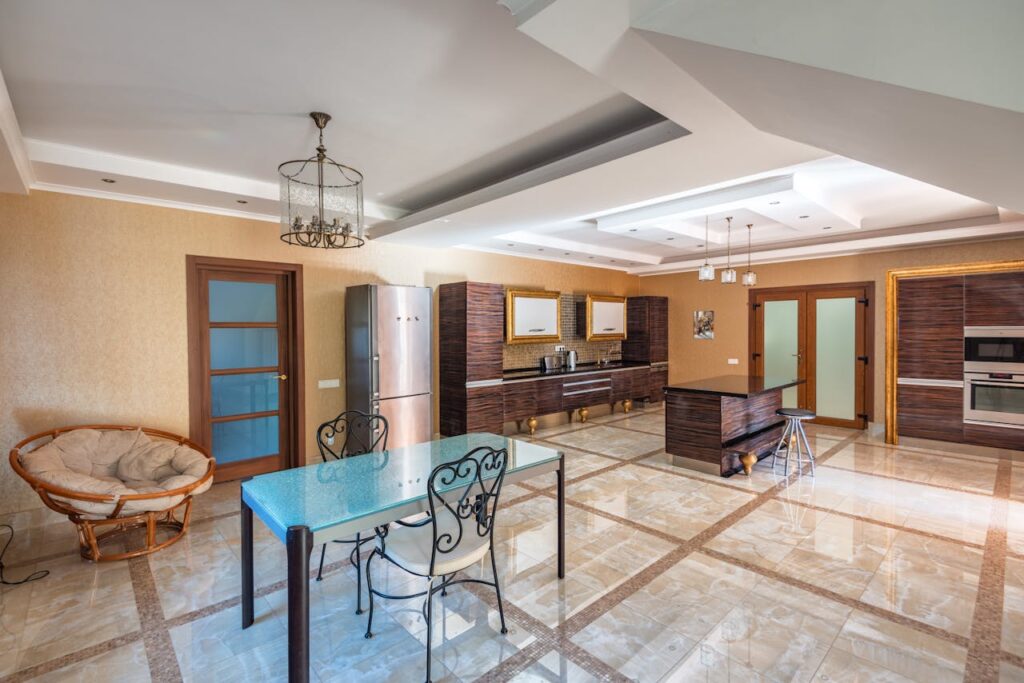
Core Endorsements for Commercial Properties
Business Interruption Enhancements
- Extended Period of Indemnity: Protects revenue beyond physical reopening while operations normalize.
- Extra Expense: Funds temporary operations, expedited shipping, or rental equipment to reduce downtime.
- Civil Authority: Covers income loss when access is restricted by government order after nearby damage.
- Contingent Business Interruption: Covers losses from supplier or key customer shutdowns.
Forensic accountants are often needed to calculate these complex losses. Our resource on forensic accounting in high-value insurance claims shows how experts ensure accurate valuations.
Utility Services (Direct & Time‑Element)
Covers damage and income loss from off‑premises utility failures (power, water, telecom) — a common gap in standard forms.
Equipment Breakdown (Commercial)
Protects critical plant, refrigeration, boilers, and production controls from sudden breakdown — often excluded otherwise.
Ordinance or Law (Part A/B/C)
- A – Undamaged Portion: Cost to demolish undamaged parts required by code.
- B – Demolition: Cost to tear down.
- C – Increased Cost of Construction: Code‑mandated upgrades during rebuild.
Cargo / Inland Marine
Extends coverage for property in transit, contractors’ equipment, and movable property not well covered by standard property forms.

Endorsements That Reduce Disputes During Claims
- Agreed Value (Scheduled Items): Pre‑sets valuation and avoids post‑loss haggling.
- Margin Clause / Blanket Limits: Clarifies how limits apply across multiple locations or categories.
- Appraisal / Mediation Clauses: Establish structured dispute‑resolution pathways when valuation gaps arise.
Without these protections, insurers may attempt to settle claims for less. Our article on how to handle partial insurance payments explains why strong endorsements prevent underpayments.
How to Audit Your Policy for Missing Endorsements
- Map Your Risks: List structural features, specialty finishes, and critical systems; capture photos and invoices.
- Quantify Replacement Cost: Use current labor/material pricing; include code upgrades and debris removal.
- Identify Operational Dependencies: Note key suppliers, utilities, refrigeration, and IT/telecom needs.
- Match Risks to Endorsements: Fill gaps with targeted add‑ons and adequate sub‑limits.
- Re‑Evaluate After Changes: Renovations, acquisitions, or new equipment require immediate review and updates.
Claim-Time Advantages of the Right Endorsements
- Clear Triggers: Endorsements define covered causes of loss and reduce adjuster discretion.
- Defined Valuation: Agreed values and replacement‑cost terms streamline settlement math.
- Expanded Timeframe: Extended indemnity prevents premature cutoff of business income coverage.
- Reduced Out‑of‑Pocket: Code upgrades, debris removal, and specialty systems are accounted for upfront.
Avoid These Common Mistakes
- Assuming “replacement” means code upgrades are included.
- Renovating without adjusting limits and endorsements.
- Failing to schedule high‑value items with documentation.
- Relying on generic sub‑limits for specialized equipment or collections.
- Ignoring utility‑service or contingent‑business‑interruption exposures.
How Anderson Bettencourt Helps
We review high‑value policies with a claims‑first lens, identifying gaps that cause disputes and underpayments.
Our team builds a tailored endorsement roadmap, coordinates appraisals and valuations, and aligns limits with current construction economics.
When a loss occurs, we leverage endorsement language to set coverage expectations early, minimizing delays and maximizing settlement fairness.
Learn more about our claim process and explore our dedicated services for homeowner claims and commercial claims.
For quick support, visit our faqs or connect with us through contact us.
Why This Matters to You, the Policyholder
The difference between a smooth, fully funded rebuild and a prolonged dispute often comes down to endorsements.
By customizing your policy to match your property and operations, you prevent avoidable exclusions and protect your most important assets.
A proactive endorsement strategy is the simplest way to convert a complex, high‑value claim into a clear, well‑supported settlement.