


Navigating Post-Disaster Safety Regulations to Protect Your Property and Rights
After a disaster damages your property, recovery isn’t just about repairing what’s broken.
It’s about meeting strict post-disaster safety regulations that are designed to protect occupants, strengthen structures, and prevent future hazards.
Failing to comply with these regulations can result in permit delays, legal penalties, or unsafe living conditions.
Many property owners are surprised to learn their insurance policy may not automatically cover the costs associated with these mandatory safety upgrades.
Here’s what you need to know to protect both your property and your financial interests.
What Are Post-Disaster Safety Regulations?
Post-disaster safety regulations are updated building, health, and safety requirements that come into effect after a property suffers damage from fire, flood, wind, or other catastrophic events.
These regulations can require:
- Upgraded structural reinforcements
- Fire-resistant materials
- Enhanced electrical, plumbing, or HVAC systems
- Improved accessibility features
- Energy efficiency upgrades
They are typically enforced by local building departments and are a condition for obtaining repair or reconstruction permits.
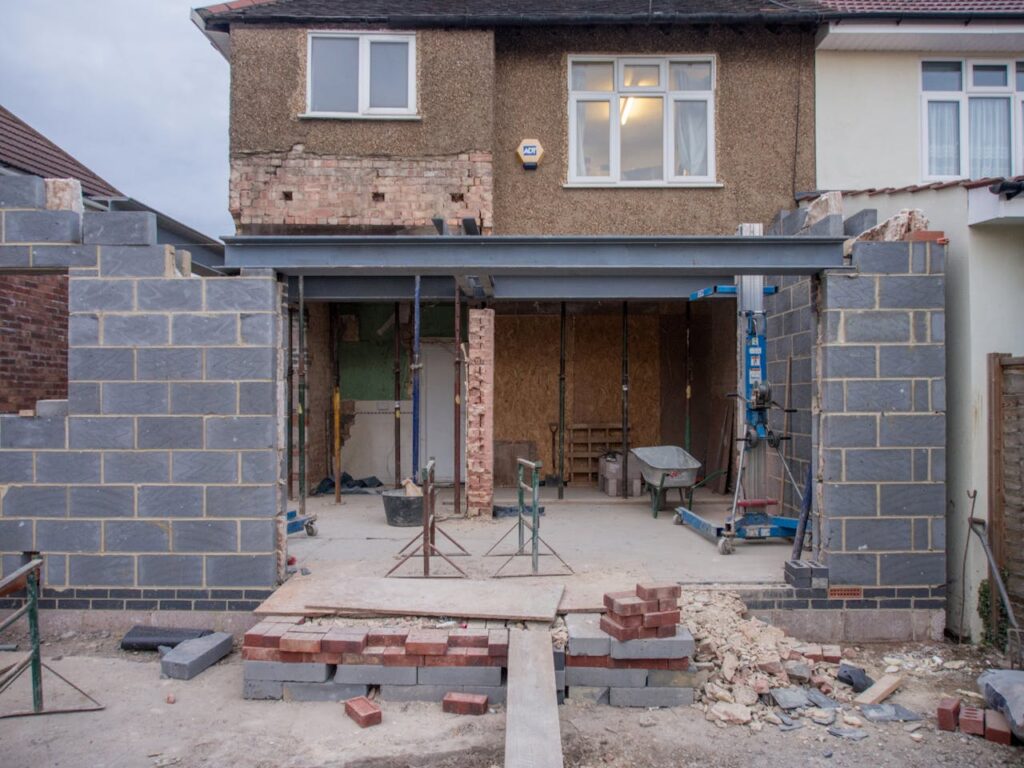
Why Compliance Is Non-Negotiable
After a disaster, municipalities enforce safety regulations to ensure all repaired or rebuilt structures meet current standards.
Non-compliance can lead to:
- Permit rejections
- Fines or legal action
- Increased liability if future incidents occur
- Reduced property value due to unsafe or outdated systems
If your insurer does not cover these upgrades, you could face substantial out-of-pocket costs.
For homeowners, reviewing our homeowner claims service can help clarify your rights before starting repairs.
How Insurance Policies Address Safety Regulation Costs
Many standard property insurance policies limit coverage for post-disaster safety compliance.
Unless you have ordinance or law coverage, the insurer may argue these costs are “betterments” rather than necessary repairs.
This is a common tactic that leads to lowball settlements or outright denials.
A knowledgeable public adjuster can challenge these decisions and ensure property owners receive compensation for all legally required upgrades.
If this has happened to you, review our article on why insurance companies undervalue luxury homes.
The Role of a Public Adjuster in Compliance Cases
A skilled public adjuster plays a vital role in documenting, negotiating, and securing coverage for safety regulation compliance.
They can:
- Coordinate with engineers and contractors to assess all required upgrades
- Document local and provincial code requirements
- Build legal-backed claim strategies to compel insurers to pay for compliance work
For more details, our FAQs page answers common compliance-related claim questions.
Real-World Example: Safety Compliance Dispute Resolved
One commercial property owner faced a complete electrical system overhaul after a major fire.
The municipality required upgrades to meet current safety codes before occupancy could resume.
The insurer initially refused to cover the full cost, claiming it went beyond the original structure’s standard.
After a public adjuster intervened, providing expert reports and citing relevant policy language, the settlement was increased to fully fund the mandated upgrades.
You can learn more about challenging such denials in our guide on legal strategies for appealing denied claims.

Steps to Ensure Compliance Without Financial Loss
- Review your insurance policy for ordinance or law coverage before beginning any reconstruction.
- Consult with a public adjuster early to avoid missing critical documentation.
- Get written confirmation from the municipality outlining required upgrades.
- Work with qualified contractors familiar with post-disaster safety regulations.
- Do not settle your claim until all compliance costs are included in the insurer’s offer.
If you need help with the process, read our tips on how to appeal an unfair insurance settlement.
Why This Matters to You, the Policyholder
Post-disaster safety regulations are more than bureaucratic hurdles.
They are safeguards designed to protect you, your property, and your community.
Failing to account for them in your insurance claim can leave you with dangerous gaps in both safety and finances.
A qualified public adjuster ensures your claim fully covers every legally required upgrade, giving you the confidence to rebuild safely and legally.
Whether you own a residential or commercial property, our team supports commercial claims with equal expertise.
If you’ve experienced a property loss, contact us today to protect your rights and secure a compliant rebuild.
Related Posts