

Why High-Value Collectibles Need More Than Standard Coverage
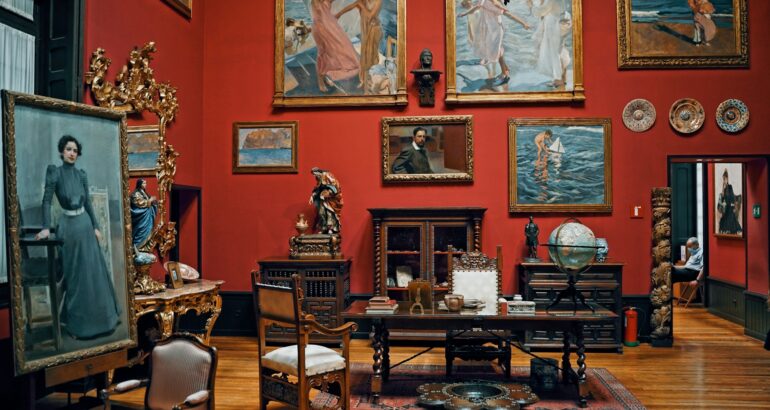
Fine art, antique furniture, heirloom jewelry, and rare collectibles are more than beautiful possessions—they are often irreplaceable investments.
But when it comes to insuring art and collectibles, most property owners don’t realize how vulnerable these items are under a standard homeowner policy.
Anderson Bettencourt works with collectors, curators, and affluent homeowners to ensure their most prized assets are accurately valued, properly documented, and fully protected.
Here’s what you need to know before a loss puts your legacy at risk.
1. Standard Policies Place Low Limits on Valuable Items
Most homeowner policies include itemized limits on categories like jewelry, fine art, or silverware.
These limits can be as low as $2,000–$5,000 per item—nowhere near the replacement cost of most luxury or rare pieces.
Even if your total coverage is high, insurers apply caps to these categories unless specific endorsements are added.
To understand how this affects luxury assets, see luxury home insurance explained.
2. You’ll Need Appraisals—and They Must Be Recent
Insurers won’t accept a claim without proof of value. And in the case of art or antiques, documentation from years ago may not hold up.
Market values shift, collections grow, and restoration work may increase replacement cost.
Anderson Bettencourt works with appraisers who specialize in fine art and high-value collectibles to ensure every piece is backed by up-to-date, defensible valuations.
For help gathering and organizing this information, explore how to document and strengthen your insurance claim.
3. High-Value Claims Require Specialized Presentation
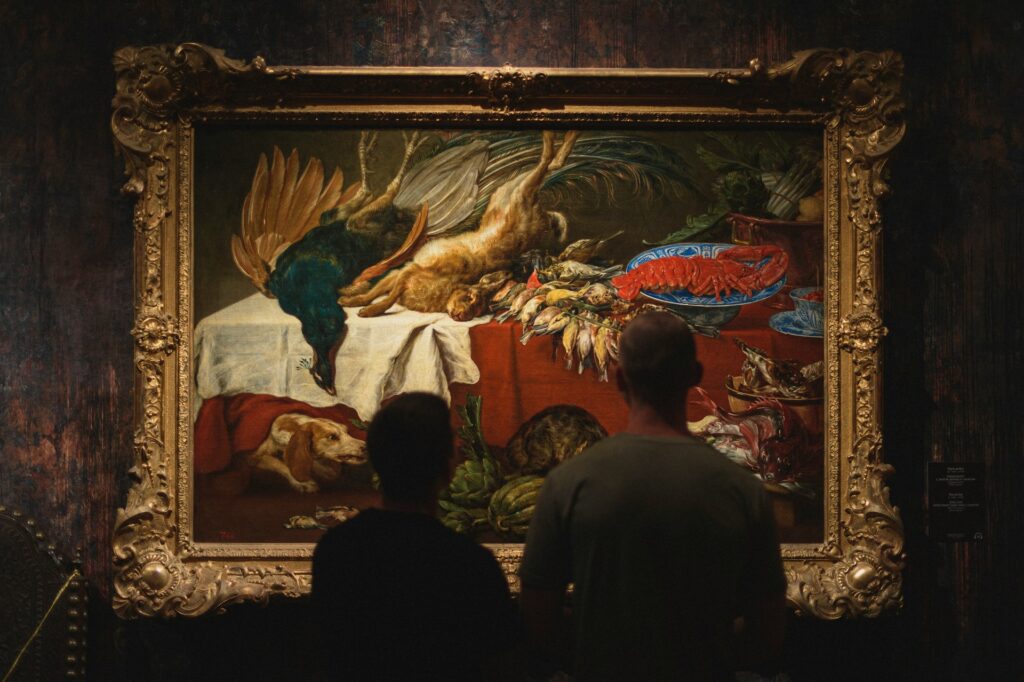
Art and collectible claims require more than a list of lost or damaged items.
Insurers often dispute provenance, authenticity, or current market value—especially in post-loss conditions where physical evidence is incomplete.
Public adjusters can help you structure the claim with expert statements, valuation reports, restoration histories, and legal precedent.
To see how we build legally sound claims, visit our claim process page.
4. Risk Doesn’t End With Fire or Theft
Environmental risks like humidity, light exposure, or improper storage can damage irreplaceable pieces.
Insurers may argue these are maintenance issues, not covered perils. Without expert documentation, it’s easy for claims to be reduced or denied.
That’s why pre-loss planning is essential for collectors. Learn more in our article on pre-loss risk assessments.
5. Avoid Preferred Vendors Who Lack Preservation Expertise
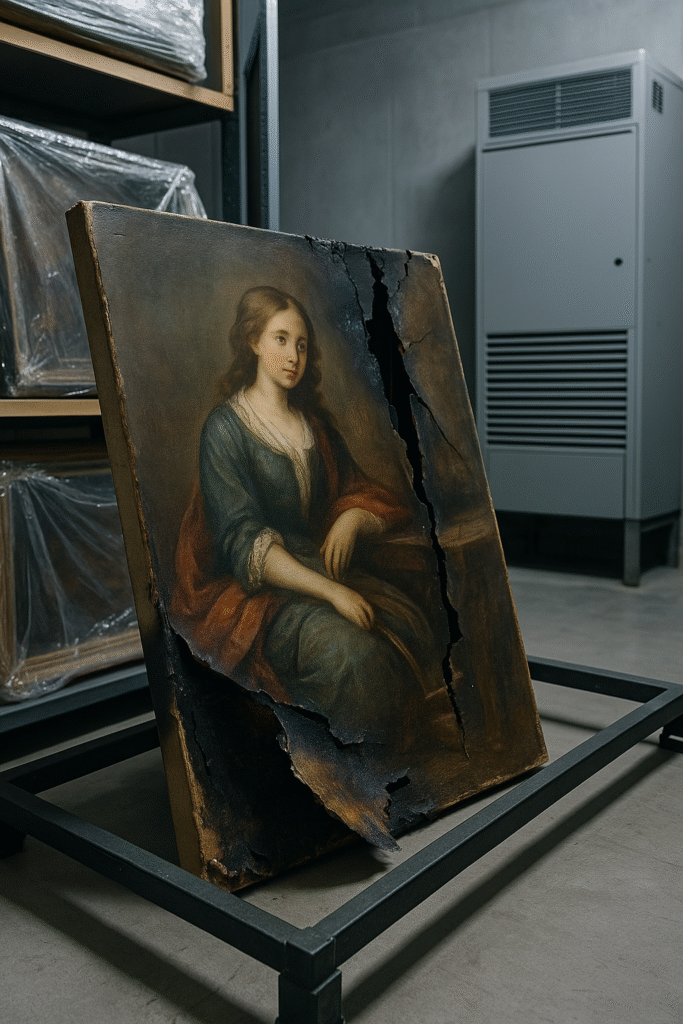
After a loss, insurers may push preferred vendors for cleanup or restoration—but art conservation requires niche skills.
Poor handling, chemical treatments, or unauthorized repairs can destroy value.
Before agreeing to vendor assignments, read our article on why policyholders should think twice before saying yes to preferred vendors.
Why This Matters to You, the Policyholder
When a treasured item is lost or damaged, the financial value is only part of the loss. For many policyholders, these pieces carry family history, artistic merit, or cultural significance.
Anderson Bettencourt ensures your collection is protected with precision, empathy, and legal-backed expertise.
We help you secure the right endorsements, appraisals, and documentation before disaster strikes—and build bulletproof claims when it does.
If you’re unsure whether your policy accounts for your collection, book an appointment with us for a pre-loss review.