

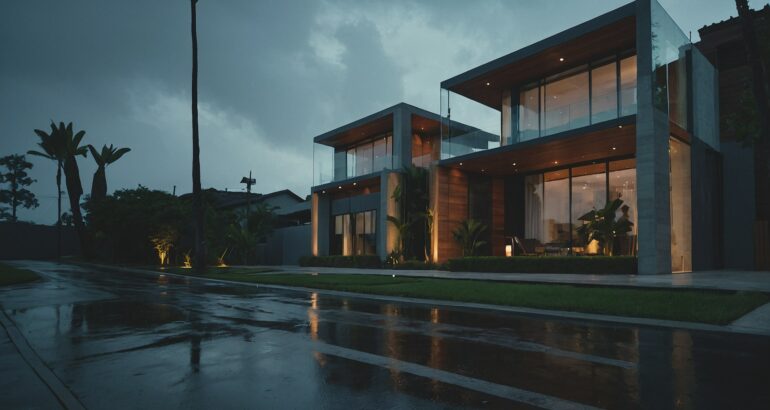
Why Smart Homes Require Smarter Insurance Coverage
Smart homes offer convenience, efficiency, and cutting-edge security—but they also introduce new vulnerabilities that many standard insurance policies aren’t built to handle.
From custom-installed automation systems to integrated surveillance, luxury smart homes often contain high-value tech that may be misclassified, underinsured, or outright excluded from traditional coverage.
If you haven’t reviewed your policy with a public adjuster, your smart home might not be as fully covered as you think. Here’s what every smart homeowner should know about securing the right protection.
1. Many Policies Undervalue Smart Tech and Integrated Systems
Smart thermostats, lighting controls, and custom security systems aren’t just gadgets—they’re infrastructure.
When these systems are damaged by fire, flood, or power surges, standard policies often treat them like personal electronics or ignore their installation value entirely.
A professional policy review can reveal whether your insurer recognizes these features as permanent upgrades. Learn how we evaluate high-end properties on our homeowner claims page.
2. Insurers May Exclude Power Surge or Cyber-Related Damage
Smart homes depend on connectivity—which opens the door to risks like cyberattacks, network outages, or electrical surges.
Many standard policies exclude these losses unless specific endorsements are added. Damage to smart locks, home servers, or app-based control panels might not be covered.
If you’ve experienced claim delays due to vague exclusions, read our post on underinsurance pitfalls.
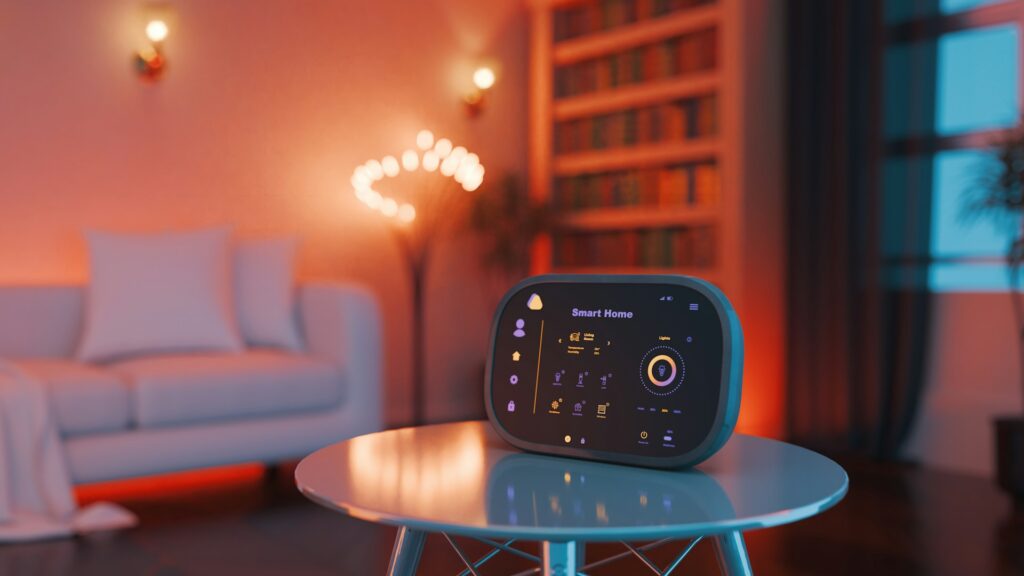
3. Smart Features Can Complicate Damage Documentation
Insurers often underestimate the true value of built-in smart tech during a claim.
Because many systems are hidden within walls, ceilings, or custom cabinetry, policyholders struggle to prove what was damaged.
Our team helps homeowners document tech-integrated losses with clarity. For tips on proper documentation, see how to document and strengthen your insurance claim.
4. Home Automation Repairs Require Specialized Valuation
If a smart home system fails, you can’t simply replace it with an off-the-shelf device.
Many systems require proprietary programming, expert installation, and compatibility with existing automation architecture. Standard insurer estimates often ignore these costs.
To protect your investment, see how we support homeowners through our full claim process.
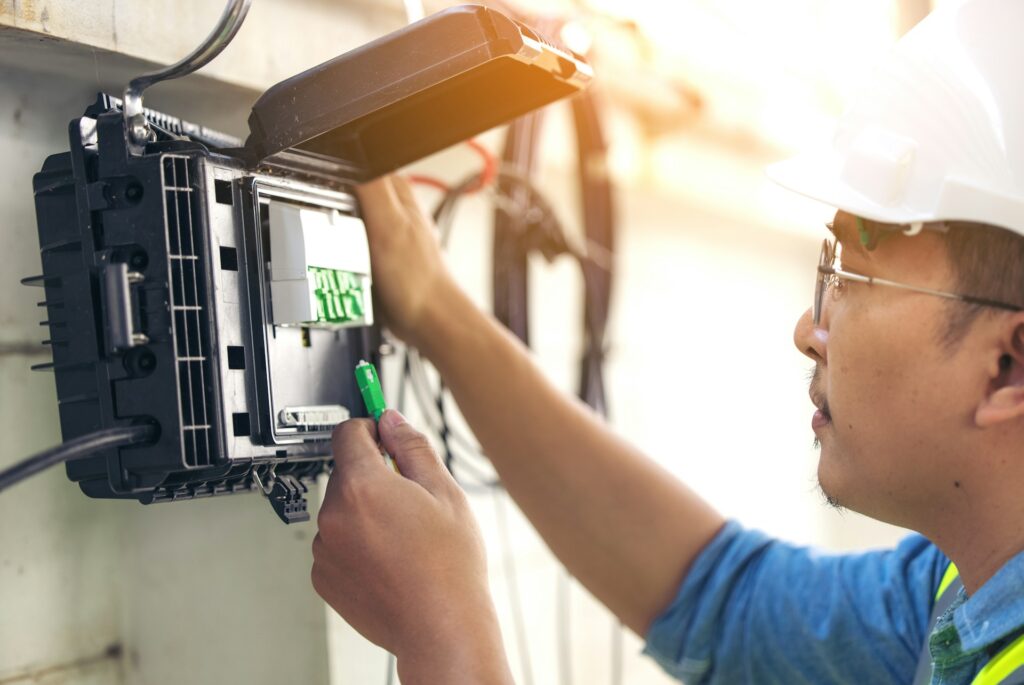
5. Preferred Vendors May Lack Smart Home Expertise
Insurers may recommend their own contractors for post-loss repairs—but smart homes need more than general tradespeople.
Without specialized knowledge, repairs may be incomplete, incompatible, or void existing warranties.
Before you accept a vendor, read why policyholders should think twice before saying yes to preferred vendors.
Why This Matters to You, the Policyholder
Your smart home represents more than convenience—it reflects years of upgrades, investment, and security planning.
If your insurer doesn’t understand the technology, they won’t properly value your loss.
Anderson Bettencourt helps smart homeowners prepare, document, and defend their claims using legal-backed strategy and modern valuation techniques.
We ensure the full scope of your property’s intelligence is accounted for.
If you’re unsure whether your current policy protects your home’s connected systems, book an appointment with us for a comprehensive pre-loss assessment.