

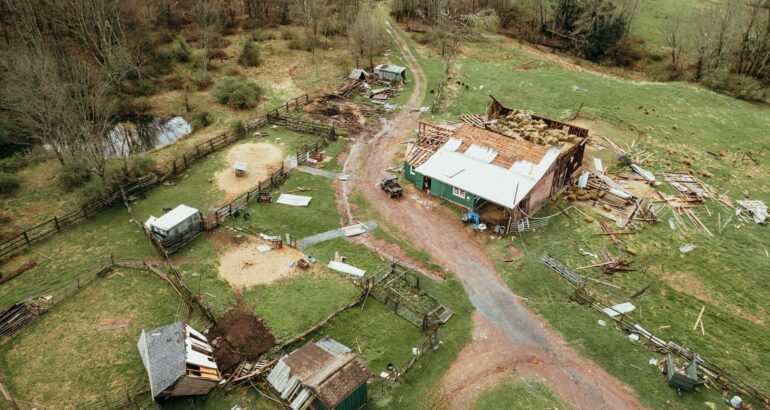
Protecting Agricultural Operations After Property Loss
Agricultural and farm operations face unique risks that differ significantly from standard residential or commercial properties.
Crop losses, livestock injuries, damaged barns, and disrupted operations can create substantial financial pressure in a short period of time.
When these losses occur, insurance recovery depends on how well the claim is documented and how policy coverage is applied.
Agricultural insurance claims often involve multiple coverage sections, valuation challenges, and time-sensitive losses.
These losses are typically treated as commercial claims rather than residential matters.
Understanding how these claims work helps farm owners protect their operations and pursue full compensation throughout the claim process.
Common Types of Agricultural and Farm Losses
Farm losses can affect physical property, biological assets, and operational income. Many mixed-use farms also face overlap with homeowner claims for dwellings located on agricultural land. Each category requires different documentation and valuation methods.
Crop damage
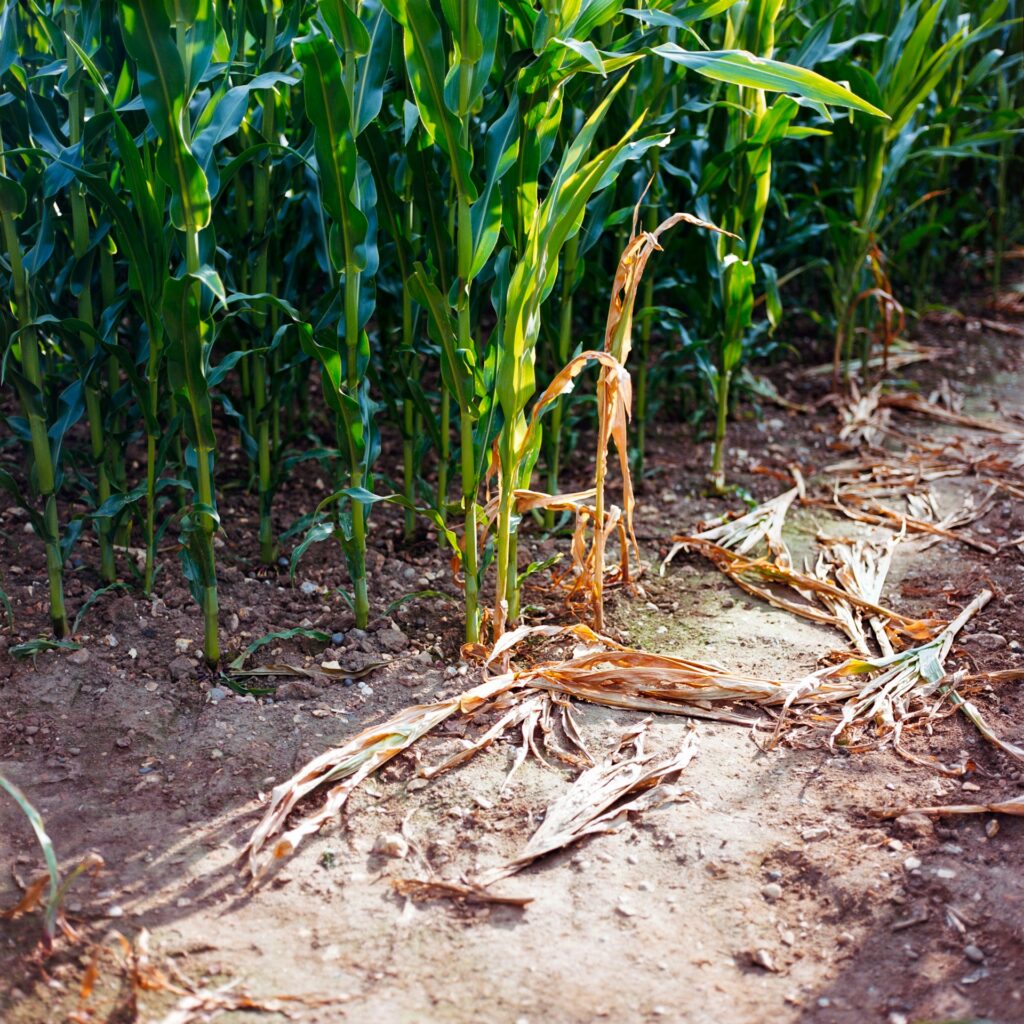
Crop losses may result from storms, flooding, drought conditions, hail, or fire. Coverage often depends on policy endorsements and may vary by crop type, growth stage, and geographic location.
Accurate acreage records, yield histories, and planting schedules play a critical role in supporting crop damage claims. Weather-driven losses are often addressed in broader discussions of natural disaster insurance claims in Canada.
Livestock losses
Livestock claims may involve injury, illness, death, or forced depopulation following an insured event. Insurers may scrutinize cause of loss, veterinary records, and herd management practices.
Documentation should include animal counts, identification records, market values, and veterinary reports when available.
Barns and agricultural structures
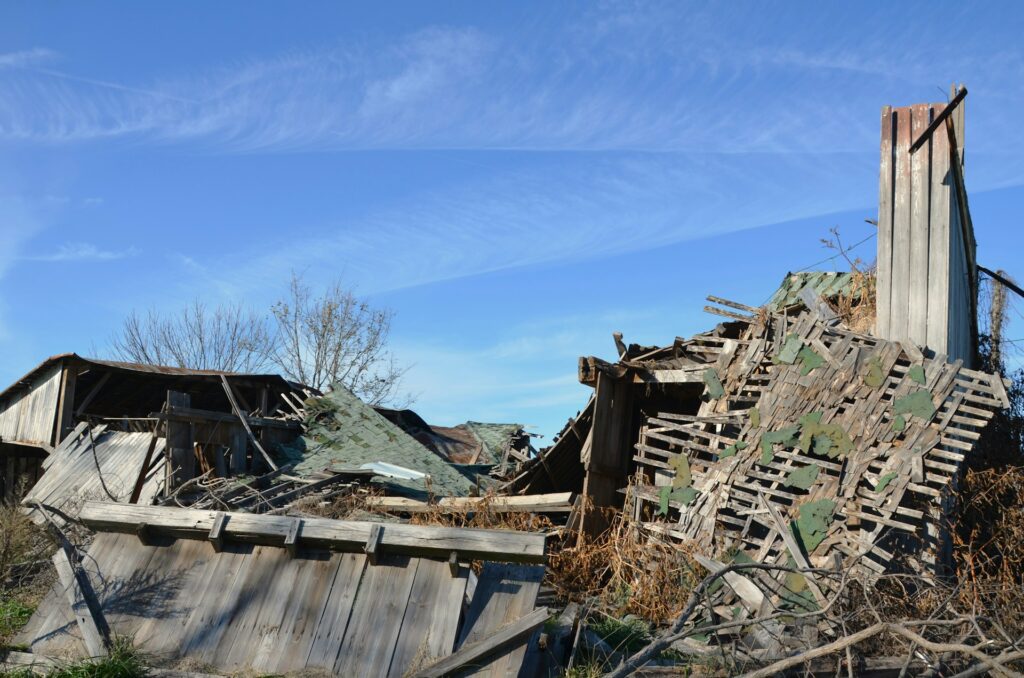
Barns, silos, storage facilities, fencing, and specialized farm buildings often contain customized construction and equipment. Damage assessments must account for replacement methods, materials, and code requirements.
Partial damage may still impair functionality, which should be documented clearly.
Understanding Coverage Challenges in Farm Claims
Agricultural policies often differ from standard commercial policies. Coverage may be divided between property, equipment, livestock, and income protection.
Common coverage issues
- Sub-limits for certain farm structures
- Exclusions for specific weather-related events
- Valuation disputes for crops and livestock
- Depreciation applied to older structures or equipment
- Delays due to seasonal loss timing
Reviewing policy language carefully is essential to avoid unexpected coverage gaps. Many agricultural disputes stem from issues similar to those described in why insurance claims get denied in the first place.
Valuing Crops and Livestock Accurately
Valuation is one of the most contested aspects of agricultural insurance claims. Insurers rely on formulas, market data, and historical performance.
Crop valuation considerations
- Historical yield data
- Commodity pricing at time of loss
- Input costs already incurred
- Harvest stage at time of damage
Livestock valuation considerations
- Market class and age
- Breeding value
- Production records
- Replacement availability
Incomplete valuation often results in underpayment. Disputes over methodology are common, as outlined in why claim valuation methods matter.
Documenting Structural and Equipment Damage
Farm structures and equipment are critical to ongoing operations. Even limited damage can disrupt production.
Effective documentation steps
- Photograph damage from multiple angles
- Record measurements and material types
- Preserve damaged components when possible
- Obtain repair and replacement estimates
Operational impact should be documented alongside physical damage. Detailed evidence strategies are explained further in how to document property loss for faster insurance settlements.
Time Sensitivity in Agricultural Claims
Agricultural losses are often time sensitive. Delays can increase losses, reduce crop value, or affect livestock health.
Prompt reporting and clear communication help preserve claim credibility.
How Public Adjusters Support Agricultural Claims
Agricultural insurance claims involve technical valuation, complex policies, and negotiation challenges. Experienced public adjusters help balance insurer resources and protect farm operations. Independent representation helps balance insurer resources.
How public adjusters add value
- Review policy language across coverage sections
- Coordinate expert assessments for crops and livestock
- Identify undervaluation or missing damage items
- Prepare comprehensive claim documentation
- Negotiate settlements aligned with actual loss
This support is especially valuable when losses threaten the viability of ongoing operations.
Avoiding Common Mistakes in Farm Insurance Claims
Farm owners often focus on recovery and operations, which can lead to claim errors.
Frequent mistakes
- Underreporting losses to speed resolution
- Discarding damaged materials prematurely
- Accepting initial valuations without review
- Missing documentation deadlines
Avoiding these mistakes improves recovery outcomes.
Preparing Before a Loss Occurs
Preparation strengthens claims.
Practical preparation steps
- Maintain updated inventories
- Keep production and yield records
- Document upgrades and maintenance
- Store records securely off-site
Preparation reduces uncertainty after a loss.
Why This Matters to Policyholders
Agricultural and farm losses can threaten long-term operational stability. Insurance coverage is intended to support recovery, but only when claims accurately reflect the full scope of loss.
Understanding how agricultural insurance claims are evaluated allows farm owners to protect assets, maintain operations, and pursue fair compensation after damaging events.
Policyholders may choose to book an appointment for claim guidance and documentation support.